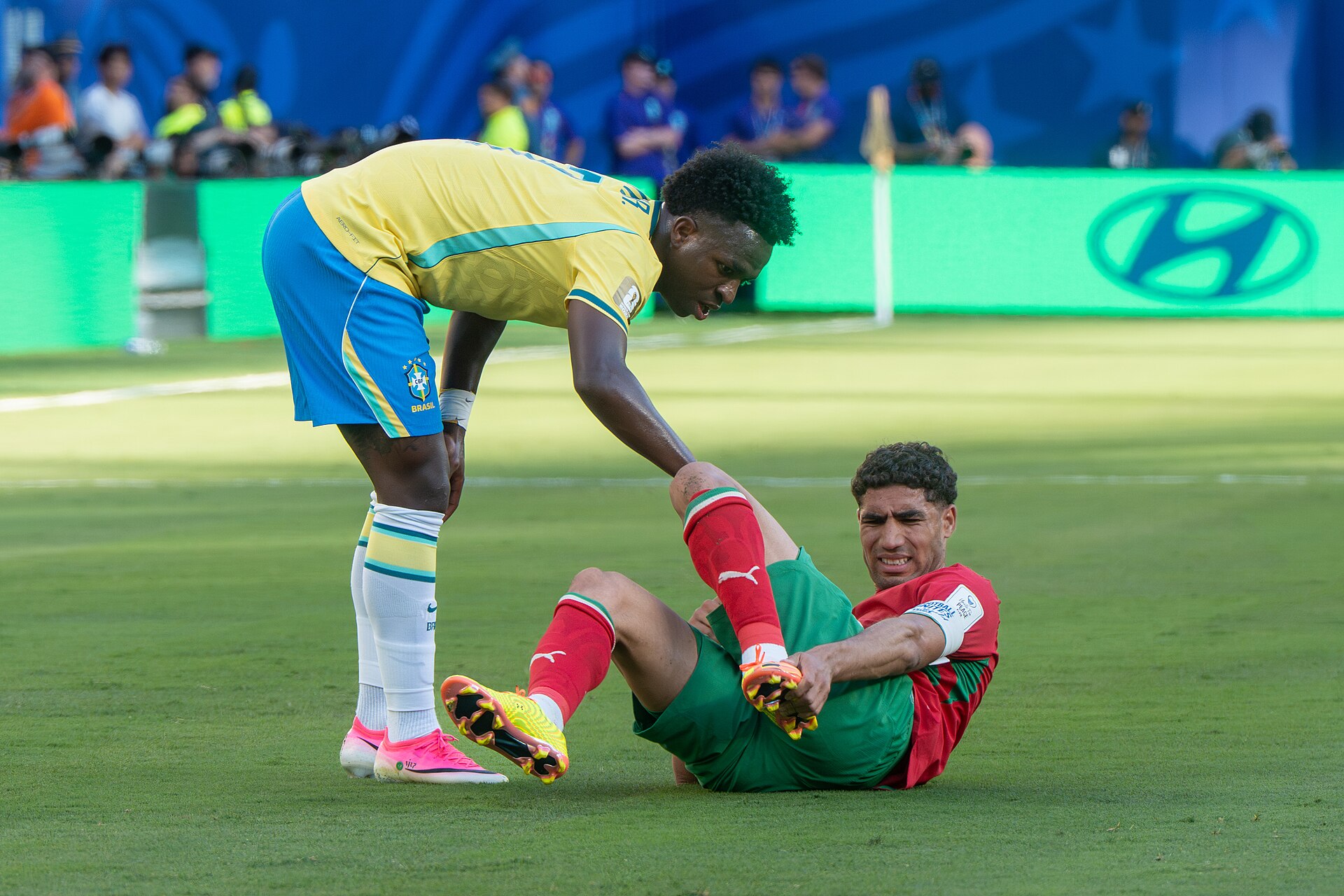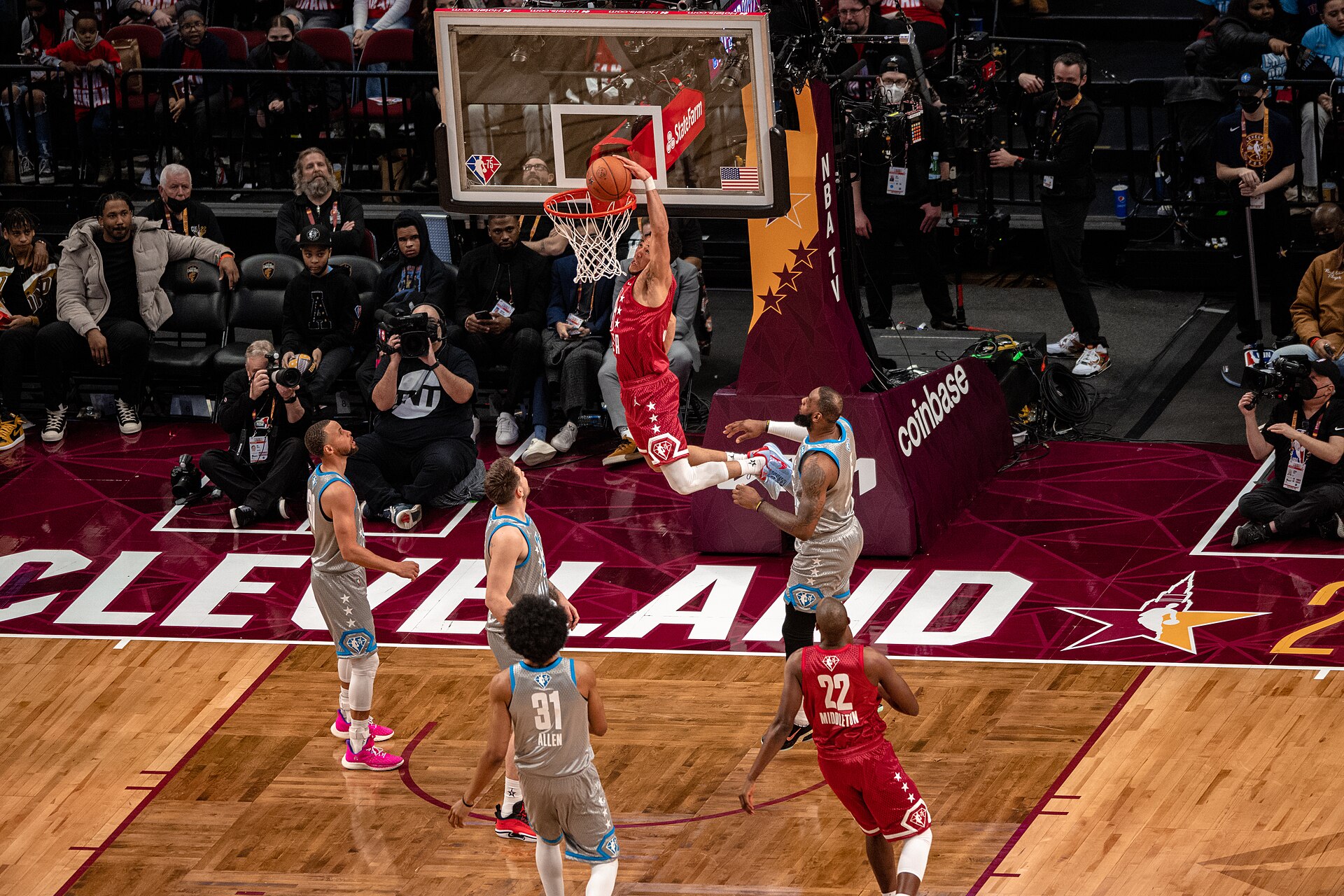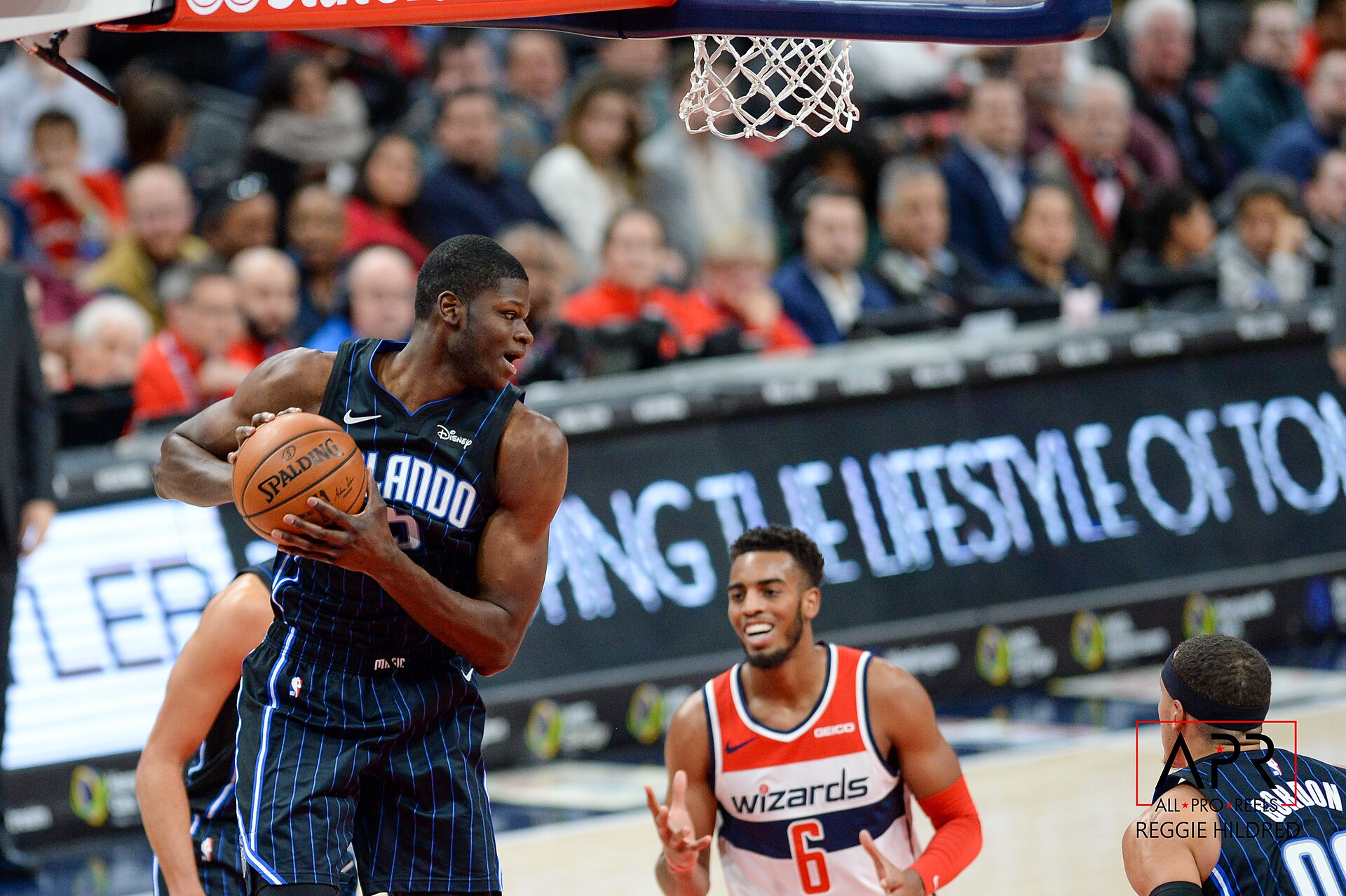
Mo Bamba secures the ball while playing for Orlando against Washington on December 3, 2019. Archive photograph from his Magic career, not his current Utah appearance. Archive photo by Reggie Hildred / All-Pro Reels (CC BY-SA 2.0).
Mo Bamba made all six of his three-point attempts on Sunday, scored 26 points and gave the Utah Jazz an unexpected source of offence against one of the NBA's hottest teams. It still was not enough. San Antonio won 110-102 at Delta Center, extending the Spurs' winning streak to 12 games and the Jazz's losing streak to the same number.
Bamba's performance is the reason his name is drawing attention after the November 15 game. A centre producing a perfect six-shot night from the perimeter is unusual; doing it for a team searching desperately for a second victory makes it especially conspicuous. The result moved Utah to 1-13 and San Antonio to 12-2.
The individual line was substantial beyond the scoring. RotoWire recorded 10 made field goals in 13 attempts, five rebounds, four assists, two steals and a block in roughly 36 minutes. Bamba missed all three free throws. His night contained remarkable shooting efficiency and a useful range of contributions, but it also sat inside a team performance that deteriorated at the decisive stage.
Afterward, Bamba acknowledged the frustration rather than pretending the shooting had resolved it. In comments reported by KSL Sports, he described a locker room that still believes in its coach and argued that small failures of execution were separating competitive stretches from wins. “There's light at the end of the tunnel,” he said.
Six three-pointers changed the shape of Bamba's night
The simplest way to understand the scoring is to separate the shots. Bamba's six threes supplied 18 points, while his four other field goals supplied eight. Nearly seven-tenths of his scoring therefore came from beyond the arc. His 26 points accounted for just over a quarter of Utah's total.
Those are calculations from the box score, not a claim that he can reproduce the percentages every game. A perfect night is valuable precisely because it is difficult to sustain. The more useful question for Utah is whether the quality of the opportunities and Bamba's willingness to take them can become dependable parts of the offence when the shots are not all falling.
A shooting centre can force a defence to make a choice. If his defender stays near the basket, an open perimeter opportunity may follow. If the defender moves outward, there can be more room for a teammate driving toward the rim. The value is partly in the shot itself and partly in the space created by the possibility of that shot.
Sunday's production shows why that possibility is attractive. Bamba generated 26 points on 13 field-goal attempts, or two points per attempt, with no additional points at the foul line. That is an exceptional return on the shots he took. It is also a reason to examine the possessions around him, because a hot shooter can help create advantages that do not appear in his personal scoring total.
The four assists are relevant to that wider assessment. A player who can move the ball after receiving attention is harder to account for than one who must finish every touch himself. One game does not establish a new permanent role, but it gives the coaching staff a specific set of actions to study rather than only a striking final number.
His three missed free throws were also part of the record. Even converting all three would not, with every other score unchanged, have erased the eight-point defeat. The result requires a wider explanation.
There is a limit, however, to what the line can explain. Six made threes do not establish that every defensive possession was successful, that every rebound was secured or that the team used its late opportunities well. Basketball records individual accomplishments within a game whose outcome depends on five-player decisions at both ends.
Utah stayed close, then lost control of the finish
The teams were level at 81 after three quarters, according to the game's scoring record. San Antonio then won the fourth 29-21. That final period produced the eight-point margin, making the finish more useful to examine than a general statement that the Spurs were the better team from beginning to end.
Dylan Harper led San Antonio with 31 points. Stephon Castle supplied 20 and nine assists, giving the Spurs another source of scoring and organisation. Utah had meaningful help around Bamba too: Darryn Peterson scored 17, while Brice Sensabaugh contributed 14 points and seven rebounds off the bench.
The difference was not a complete absence of Jazz production. Utah made 17 three-pointers in 40 attempts, a 42.5 percent rate. Bamba supplied six of those makes, leaving the rest of the team 11 of 34, or about 32 percent. The combined figure looks strong, but the distribution shows how much one extraordinary performance lifted it.
That is an important distinction when deciding what can travel to the next game. The Jazz cannot build a plan that requires one centre to make every three. They can build a plan around generating good looks, making the next pass and keeping enough defensive structure to survive an ordinary shooting night.
KSL's account describes a late stretch in which turnovers, fatigue and a slower offensive tempo contributed to Utah's problems. Coach Will Hardy said the team had played long periods of good basketball but still allowed sloppy pockets to matter. The explanation is more specific than saying a young team simply has to learn to win: possessions have identifiable failures that can be reviewed and corrected.
Bamba's comments pointed to that same level of detail, including missed box-outs and the execution of screening coverage. Those small actions are easy to overlook while a player is making threes. They become harder to overlook when the opponent finishes the game with the possessions and points needed to win.
Injuries created opportunity, and also complicate the evaluation
Utah's available frontcourt was depleted. The NBA's November 15 injury report listed Jaxson Hayes out with a left knee strain, Jaren Jackson Jr. with a right MCL tear, Lauri Markkanen with a right hand fracture and Jusuf Nurkic with a right foot injury. Those absences help explain why a player receiving a larger opportunity could have such an important role in the game.
They do not make Bamba's performance less real. Opportunity is part of professional basketball, and a player has to produce when it arrives. But the absences do matter when projecting minutes, responsibilities and lineups beyond a single evening. A rotation shaped by several unavailable big men is not necessarily the rotation the Jazz intend to use once more players can return.
Medical timetables also should not be confused with guaranteed return dates. Re-evaluation is a point at which a team assesses progress, rather than a promise that an injured player will play immediately afterward. For now, Hardy has to construct workable combinations from the players available.
Bamba's place in that discussion carries a long history of expectation. Orlando selected him sixth overall in the 2018 draft after one season at Texas. The university's contemporaneous draft account records 111 blocks, 10.5 rebounds per game and 12.9 points per game during his college season. His shot-blocking total set a Texas season record.
That background explains why his profile has always included more than shooting. Size and defensive reach helped make him a lottery pick. Perimeter offence can expand his usefulness, but it does not replace the work of protecting the basket, finishing defensive possessions and functioning within a team's coverage.
The most productive interpretation of Sunday is therefore an addition to his case, rather than a complete reinvention. He supplied a particular offensive weapon at a time when Utah needed one. To turn that into a durable role, he must combine it with the other responsibilities of his position over a longer run of games.
A bright individual game leaves the Jazz with team work to do
At 1-13, Utah does not have the luxury of treating every competitive loss as sufficient progress. Players can identify encouraging passages without asking supporters to disregard the record. Bamba's acknowledgement that the fans' frustration is understandable gave his postgame assessment more credibility than a claim that the results were unimportant.
The challenge is to preserve the useful parts of the performance. Bamba's shooting gave the Jazz a way to stretch the defence. Peterson and Sensabaugh supplied additional offence. The team reached the final quarter level with an opponent carrying a long winning streak. Those are concrete pieces of evidence that Utah could compete in this matchup.
The equally concrete failure was the ending. Execution has to remain coherent when fatigue rises and the opponent tightens its decisions. A late turnover can cost both a scoring chance and defensive positioning; a missed box-out can force a team to defend twice. Neither is cancelled by an earlier three-pointer, however impressive.
Utah next visits the Los Angeles Clippers on November 17. The NBA's official game page also carries Bamba's highlights from the Spurs matchup for readers who want to examine the performance itself. The useful follow-up will be whether he continues to obtain good opportunities and whether the Jazz convert more of their competitive stretches into complete games.
Bamba earned the attention with a remarkable six-for-six night. The broader verdict belongs to the scoreboard: San Antonio won again, and Utah's search for a second victory continued. For the Jazz, the opportunity is to turn an exceptional individual contribution into a more reliable team framework—one that can survive the nights when exceptional shooting returns to normal.