Published November 6, 2026 · Taken Social Editorial
Netflix has announced a new live-action Stranger Things prequel, Other Worlds: A Stranger Things Adventure, for 2028. The November 6 reveal gives Stranger Things Day a concrete new development: a series set in the 1950s, with a new setting and characters, created by the Duffer Brothers and longtime franchise writer Kate Trefry.
Trefry will serve as showrunner, co-creator and writer. Joe Wright will direct the first three episodes, and production is planned for New Mexico, according to Netflix's announcement. The series takes place before The First Shadow, the stage production set in Hawkins in 1959.
“Watch the skies, nerds!” Matt and Ross Duffer said in the announcement. That invitation is a tease, not a complete synopsis. The development that can be reported with confidence is a new prequel series with an announced year, creative team and period setting. Its arrival will test how much of Stranger Things' appeal can travel beyond the original ensemble.
A new time period creates a different storytelling problem
Setting a story before the original series offers the writers an opportunity to explore the roots of its world while introducing characters whose individual fates are less familiar. A prequel has to satisfy both purposes. Too much dependence on existing answers can make a new story feel like an extended explanation; too little connection can make the shared title seem incidental.
The 1950s setting changes the cultural material available to the production. Audiences will arrive with different visual and genre associations from those surrounding the original show's 1980s childhood adventures. How the series uses those associations remains a creative question, rather than something that can be assessed from an announcement.
The new setting also creates room for a different ensemble. Familiarity with a franchise can encourage viewers to begin watching, but a new group of characters must earn their investment over time. The announced approach asks the brand to provide the invitation while the new story supplies the reason to remain.
That is a more demanding task than simply restoring a recognizable location or repeating an old monster encounter. The original's friendships, family relationships and sense of discovery were central to how its supernatural plot worked. A successor needs relationships with their own shape if the same sense of danger is to carry emotional weight.
Kate Trefry provides a link across formats
Trefry's involvement connects the new production to the franchise's television and stage storytelling. Netflix's account of The First Shadow credits her as the play's writer, working from an original story developed with the Duffers and Jack Thorne. Stephen Daldry directed the stage production with co-direction by Justin Martin.
The play explores Henry Creel's past in 1959 Hawkins and includes younger versions of familiar characters. It therefore established a route into an earlier period before Other Worlds was announced. The new series moves farther back, extending that approach while promising its own setting and central figures.
A writer moving between television and theater faces different tools. A stage production shares a physical space with an audience and must make effects work within live performance. Television can move between locations and control the viewer's perspective through editing. The continuity lies in the fictional world, while the means of presenting it change.
That background makes Trefry's role more substantial than a familiar name attached to a project. The announced showrunner has already worked on translating Stranger Things into another form. How that experience affects the new series will be visible only when finished episodes are available, but the connection itself is established.
Joe Wright brings another perspective to the opening episodes
Netflix identifies Wright through films including Pride & Prejudice, Atonement and Darkest Hour. Directing the opening three episodes gives him a role in establishing the new production's visual and dramatic language. Early episodes must introduce the world, make the characters legible and define the kind of mystery viewers are being asked to follow.
The National Portrait Gallery’s biography of Wright traces a path through acting, art school, installations and short films before his BBC miniseries Nature Boy in 2000. Pride & Prejudice followed in 2005, Atonement in 2007, Hanna in 2011 and Darkest Hour in 2017. That filmography brings literary adaptations, historical drama and an action thriller into the background of his new assignment. It is a broader set of experiences than a description of him solely as a period-film director would suggest. The link to Other Worlds is the filmmaker’s announced participation, rather than a promise that the prequel will resemble any one of those earlier productions.
A director's previous work can explain why an appointment attracts attention without functioning as a review of something not yet released. Wright's involvement does not reveal the new series' pacing, tone or effects. It identifies a creative responsibility: helping turn the first scripts into the images and performances that will introduce this part of the franchise.
For audiences, the useful next developments will be casting, production updates and an official trailer that contains actual series footage. A logo, title treatment or announcement image serves a different purpose. Each can establish a project's identity without showing how a completed episode plays.
The stage production remains a separate experience
Netflix's current anniversary guide lists The First Shadow's scheduled closing dates as December 27 in London's West End and January 3, 2027, on Broadway. Those dates concern the live productions, not the premiere of Other Worlds. Theater availability and a future streaming release should not be combined into one calendar.
The production has a particular place in the franchise because it asks fans to experience the world collectively in a theater. That changes the practical requirements: attendance depends on location, tickets and a performance schedule. A streamed series reaches audiences through a different distribution system and can be watched at different times.
For readers considering the play, the official theater websites are the useful sources for current availability and terms. A release-year announcement for another series does not establish that seeing the stage production is a prerequisite. The two works occupy different points on the timeline and are being presented as distinct projects.
A documentary explains how that expansion was built
Behind the Curtain: Stranger Things: The First Shadow, released in April 2025, follows the preparation for the play's London opening. Netflix's documentary guide describes its focus on the cast, crew and production process leading to the December 2023 debut at the Phoenix Theatre.
For viewers interested in the craft behind the franchise, that is a different proposition from another fictional adventure. The documentary concerns how a production was made, including the work of realizing an ambitious stage story. It can provide context for Trefry's role without being presented as footage from the newly announced prequel.
The distinction helps make sense of a growing catalog. A documentary, a live play and a drama series can all carry Stranger Things in the title while offering quite different experiences. Choosing among them begins with identifying which form of storytelling a viewer wants, rather than assuming every release continues the same on-screen plot.
Tales From '85 expands in another direction
The animated Stranger Things: Tales From '85 returns to Hawkins and the familiar young characters in the winter of 1985. Its paranormal mystery occupies another space in the franchise, using animation to revisit an established group rather than building the same kind of earlier live-action setting announced for Other Worlds.
Animation can preserve a particular period in a character's life while using a visual vocabulary different from the original production. That gives the franchise another route to stories that would not be identical to bringing back the original live-action cast in the present. The format is part of the creative proposition, not merely a change in packaging.
For a returning viewer, the original series, the animated adventure and the new prequel can therefore be understood as separate entry points into related material. Their connection does not make their release dates, casts or production methods interchangeable. Other Worlds is the future project in this group, rather than a new title for the animated show.
The franchise now extends beyond the next episode
The anniversary guide also describes complete-series physical editions, an official book and immersive experiences. Together, those offerings show how Netflix is maintaining an audience relationship after the original five-season story. Some products revisit completed material; others invite fans into a location or a new form of narrative.
That strategy has a commercial logic, but commercial continuity does not automatically supply creative continuity. The strongest test for Other Worlds will be whether its new characters and story can justify a viewer's time on their own terms. Recognition can bring attention to a premiere; it cannot determine how audiences respond to the episodes.
For now, the confirmed news is enough to explain the renewed interest. Stranger Things has a new live-action chapter planned for 2028, with Trefry leading the series and Wright helping establish its opening. The story is moving farther into its past while asking a forward-looking question: what can this fictional world become when it gives a new ensemble the center of the screen?
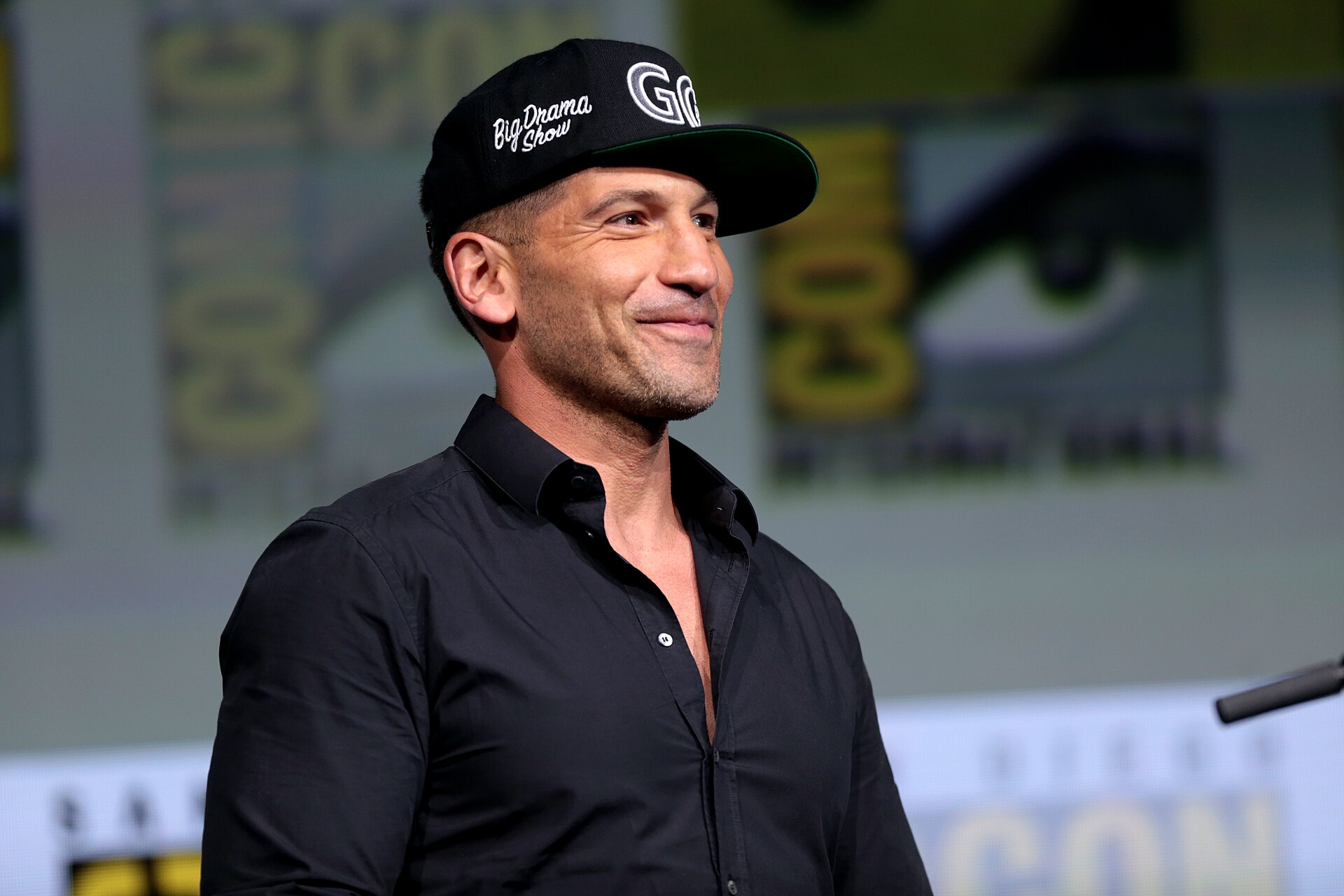
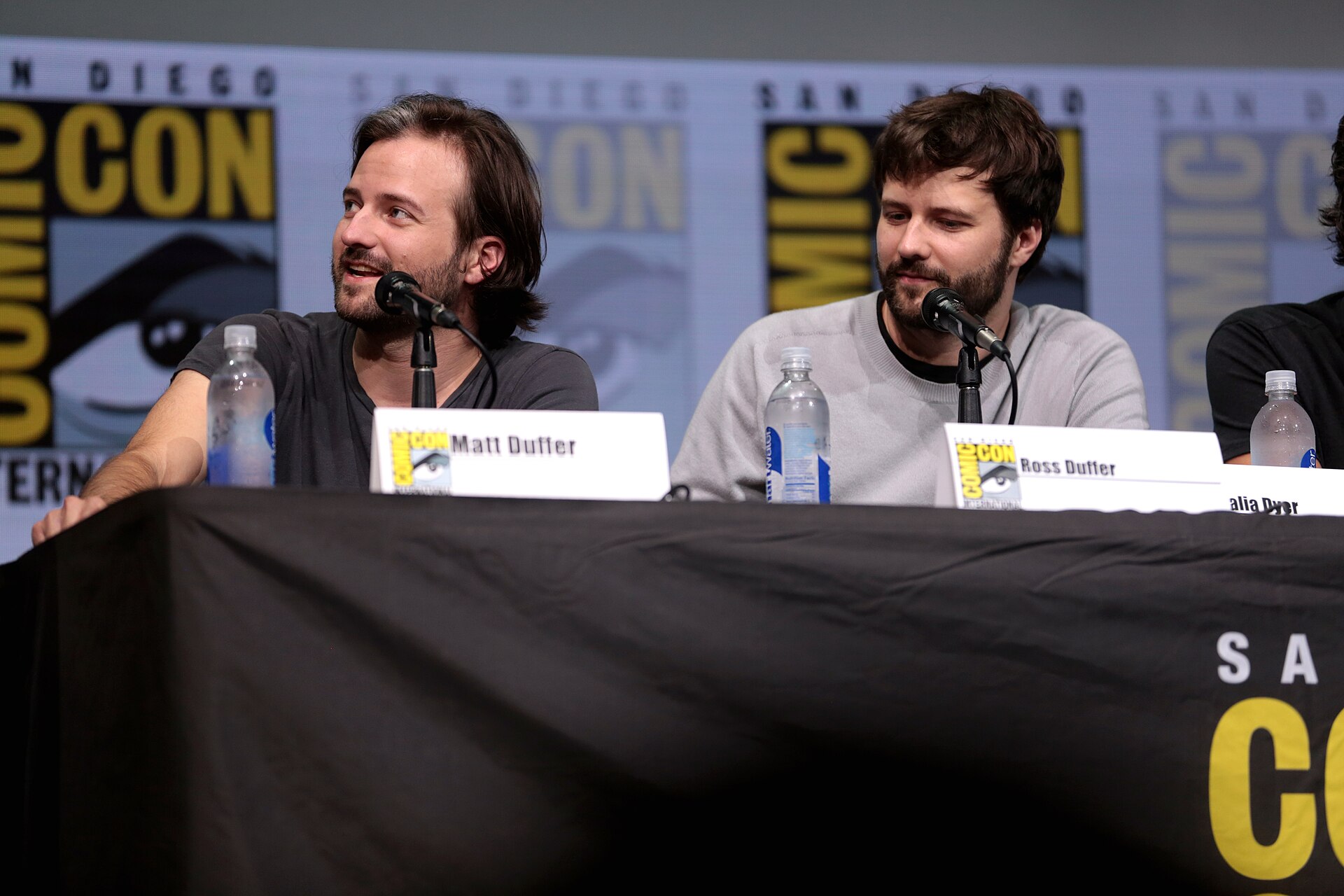
Matt and Ross Duffer at San Diego Comic-Con on July 22, 2017. Archival photograph by Gage Skidmore; CC BY-SA 2.0. This is not a production image from Other Worlds. Source: Wikimedia Commons. Image license.