Published November 6, 2026 · Taken Social Editorial
Katherine Ryan has described a mixture of “grief and relief” following Russell Brand's convictions for rape and sexual assault, using her podcast to focus on the women who gave evidence and the pressures that can accompany speaking about a powerful public figure.
Her response comes a day after a jury at Southwark Crown Court found Brand guilty of one count of rape and three counts of sexual assault. Sentencing is scheduled for Monday, November 9. Friday's discussion has also renewed attention to Ryan's earlier comments about confronting an unnamed figure in the entertainment industry.
The distinction between those two moments matters. Her new remarks address an identified criminal case after verdicts. Her earlier account did not publicly identify the person she was discussing. The present news should not be used to turn an old, unnamed reference into a confirmation she has not supplied.
Ryan's response centers on the survivors
ITV News' report of the podcast describes Ryan as emotionally unsettled by the verdict and admiring of the women who came forward despite Brand's fame, money and following. She said a measure of justice and relief existed alongside sadness about the harm that made the case necessary.
The episode, This and That, was published November 6 as part of Telling Everybody Everything. Its own description identifies the Brand verdict as a subject and describes the reaction as relief alongside grief.
That formulation is more specific than a simple celebration of a celebrity's downfall. It recognizes that a criminal finding can be important without undoing the experiences described in court. The verdict changes the legal position; it does not make the underlying events disappear.
Ryan also expressed concern about hostility toward the women and about what happens after the judgment. Those are her assessments of the public response, rather than additional findings by the jury. They help explain why she framed the moment around the survivors rather than the defendant's celebrity.
What the court decided
The Crown Prosecution Service's November 5 announcement confirms four convictions after a four-week trial. It identifies one rape count and three sexual assault counts and sets November 9 as the sentencing date.
Brand denied wrongdoing and testified that his encounters had been consensual. The Associated Press account of the verdicts also records acquittals on two rape counts and one count of attempted indecent assault. He was taken into custody after the verdicts.
Reporting the full disposition matters. Convictions and acquittals apply to particular counts. A general statement that every allegation was proved would misstate the outcome, just as describing the case only as unresolved allegations would ignore the convictions.
The sentence has not yet been delivered. The scheduled hearing is the next legal stage, when the court will determine the punishment. Any precise claim about the eventual length of imprisonment would go beyond the announced outcome as of this report.
Taken Social's report on the trial verdict provides the earlier news context. Ryan's comments are a subsequent response, rather than a new determination of the charges.
The investigation involved more than public allegations
The Metropolitan Police's account says detectives spoke to more than one hundred witnesses, took more than four hundred statements and reviewed over 1,400 documents. Officers also reconstructed timelines and obtained historical floor plans and photographs.
The force says the investigation began after reporting by Channel 4's Dispatches, The Times and The Sunday Times in September 2023. Investigators faced the difficulties associated with older events, including the absence of CCTV and forensic evidence.
Those details are important to understanding how a case moves from public reporting to a courtroom. The publication of allegations can prompt people to contact police, but a prosecution still requires an investigation, evidence assessment and the testing of claims within a legal process.
The police account also describes reviewing hundreds of hours of performances, interviews and podcasts, as well as Brand’s books. Investigators used that material to establish timelines and test accounts. Publicly available entertainment material thus had a different role within the inquiry from the role it plays in online debate: it was examined alongside witness evidence and other records as part of reconstructing events.
A television investigation, a police inquiry and a jury verdict are therefore different kinds of event. Each can affect what happens next, but none should be described as interchangeable with the others. The verdict followed the criminal trial, not a vote in public commentary.
Earlier warnings are receiving new attention
In her earlier interview with Louis Theroux, Ryan described confronting an unnamed industry figure about alleged predatory behavior. ITV notes that she declined to identify him publicly because of legal concerns. Speculation has linked those comments to Brand, but she has not confirmed that identification.
That unresolved identification should remain unresolved in the reporting. A clip can circulate again with a new caption that makes a stronger claim than the original speaker made. Repetition does not turn the caption into evidence.
The broader issue raised by the earlier interview is still relevant: what options do people believe they have when they are concerned about someone with influence? A person's willingness to speak within a workplace may depend on whether there is a credible route for concerns to be heard.
The answer cannot rest entirely on whether an individual is prepared to make a public accusation. Employers and commissioning organizations have responsibilities within their own processes. The public record of institutional reviews provides a more concrete way to examine those responsibilities than speculation about who privately knew what.
Channel 4's review identified a specific failure
In its March 2024 summary, Channel 4 said its investigation found no evidence that staff knew about the allegations contained in the Dispatches program while Brand worked on specified shows between 2004 and 2007.
The same review identified a separate, serious shortcoming involving a 2009 allegation by a then-serving employee. The broadcaster said it had not been escalated to senior management or investigated as it should have been, and it apologized for that breakdown and later communication delays.
Those findings need to be kept together. The report did not conclude that every person at the broadcaster knew the allegations later aired. It did acknowledge a concrete failure in handling a concern. Reducing the review to only one of those points would distort its conclusions.
For an organization, the practical lesson concerns the route a complaint takes. A reporting policy has limited value if information fails to reach people with authority to act, or if the person raising a concern cannot obtain a timely response.
That is also why institutional accountability is different from a retrospective search for dramatic quotations. A useful review identifies decisions, responsibilities and failures that can be addressed. Its value lies in making the process more reliable for the next person who needs it.
Reporting later does not remove the possibility of a case
The CPS guide for victims of rape and serious sexual assault explains that an offence can be reported after time has passed, although the applicable charges may depend on when the events occurred. It also explains the entitlement to lifelong anonymity in publication.
That protection is relevant to continuing coverage. Identifying details can extend beyond a name or photograph. A responsible report should consider whether combinations of information could reveal someone whose identity is protected.
The CPS explanation of charging decisions distinguishes its evidential test from the court's standard for conviction. Prosecutors assess whether there is a realistic prospect of conviction; the court must be sure of guilt before convicting.
That distinction also explains why a case can contain different verdicts on different counts. Each charge has to be considered on the evidence relevant to it. The result should be reported with that precision rather than treated as a single undifferentiated judgment on every claim.
The guidance provides legal context, not an instruction about what any individual must do. Decisions about disclosure can be difficult and personal. A news report can explain the available public process without demanding that another person relive an experience for an audience.
The next stage is sentencing
The scheduled November 9 hearing will supply the next concrete development. Until then, the established news is the jury's verdicts, Brand's custody and the public responses to those findings. Ryan's comments belong within that sequence.
Her emphasis on mixed emotions also offers a useful way to understand why a verdict does not end the conversation. The criminal process answers particular legal questions. Institutions still face questions about how concerns were handled, and the people affected continue their lives after the cameras leave.
The most valuable follow-up reporting will keep those questions specific: what the court orders, what organizations have acknowledged and what changes can be documented. That approach gives the story substance beyond the resurfacing of old clips or a series of celebrity reactions.
Ryan's response has resonated because it recognizes both the importance of accountability and the harm behind the case. The professional task now is to preserve that focus while reporting the next legal development accurately and protecting the people whose experiences brought the case before the court.
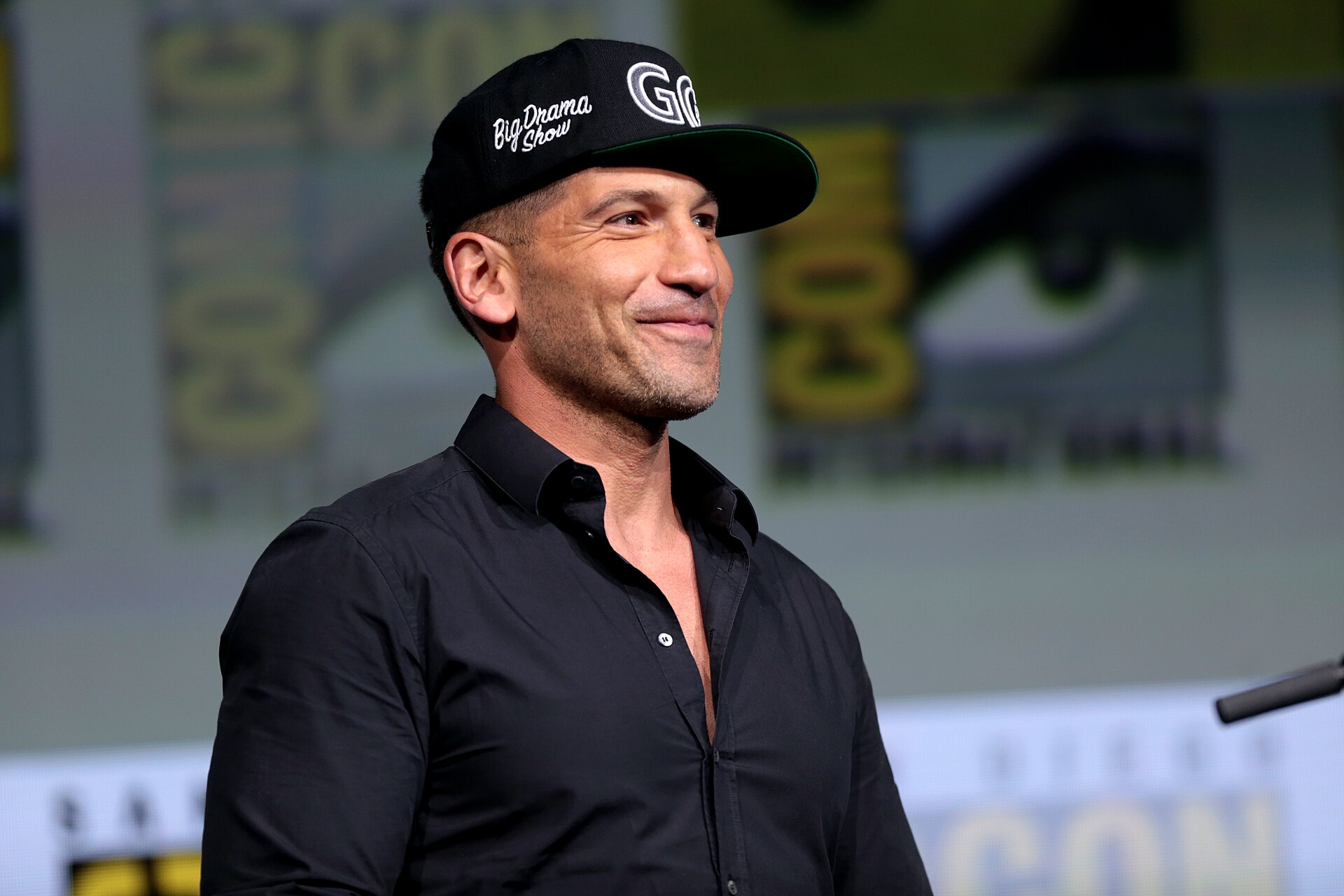
Katherine Ryan in an archival performance photograph by Paul Beavan; CC BY 2.0. This image does not show the November 2026 podcast recording or the Brand trial. Source: Wikimedia Commons. Image license.