Published November 6, 2026 · Taken Social Editorial
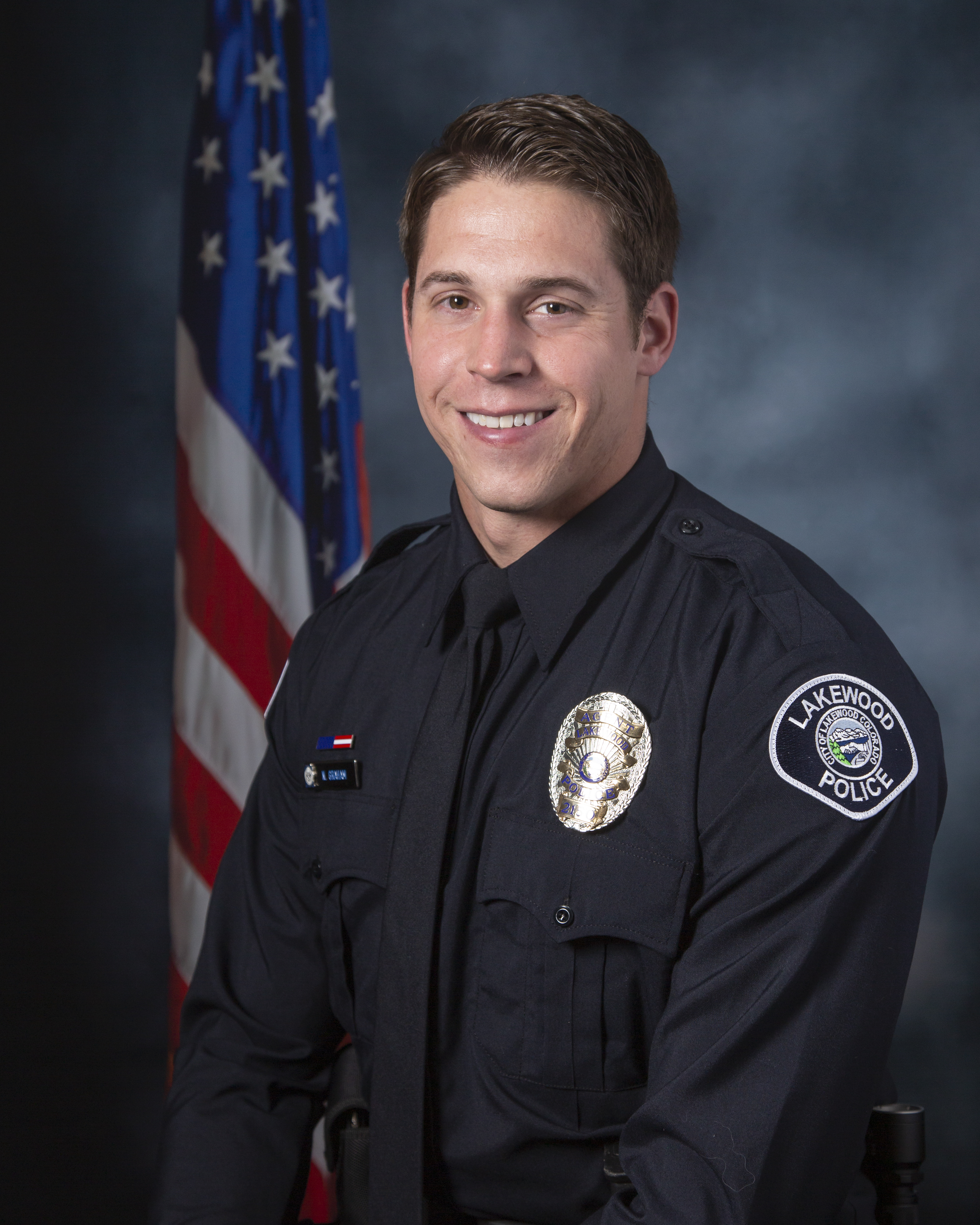
Lakewood, Colorado, police have identified the agent killed in Thursday evening's shooting as Nicholas Graham, a thirty-three-year-old investigator and field trainer who joined the department in 2019. Three other agents were wounded, and a bystander was also injured during the encounter involving an RTD bus.
In its Friday update, the city said two of the wounded agents had been released from hospital and a third remained hospitalized and was expected to recover. Graham died after being shot by the suspect, who was killed when agents returned fire, according to the department.
The city has opened an official information and memorial page, while investigators examine both the suspect's earlier activities and the police response. RTD has separately confirmed that the incident involved a contracted bus operating on Route 76 with four customers aboard.
The latest statements provide a more detailed timeline than the first overnight reports. They also identify the parts of the case that remain unfinished, including the suspect's formal identification and the investigation of the use of force.
Police describe a sequence beginning with a hit-and-run
The November 6 police update says agents first responded to a hit-and-run near Kipling Street and West 13th Avenue shortly before 3:45 p.m. Witnesses gave officers a description of a person who had left the area.
At 6:29 p.m., an agent recognized a person matching the suspect near Colfax Avenue and Wadsworth Boulevard, confirmed the identity and requested backup. Police say the suspect fired at approaching agents during the subsequent encounter.
The department places the shots-fired radio call at approximately 6:32 p.m. and an officer-down call one minute later. Those times describe the dispatch sequence in the city's account; they are not a substitute for a complete reconstruction of every movement.
The initial police release described the suspect boarding a northbound bus before agents made contact. It said the officers returned fire and that the suspect died. The release explicitly identified its information as preliminary and subject to verification.
That sequence explains why a call connected to an earlier event developed into a confrontation around public transportation. It does not establish a motive for the shooting, and the reviewed releases do not provide a final account of the suspect's background.
Nor do the dispatch times, on their own, answer every question about the encounter. They establish an important framework for investigators to compare with witness statements, video and other records that may be collected.
RTD confirms the bus and passenger context
RTD's Friday statement says law enforcement encountered the suspect away from the bus before he boarded and officers followed. The agency identifies the vehicle as an RTD-contracted bus serving Route 76.
The statement also records four customers aboard. RTD expressed condolences to the fallen agent's family and colleagues and support for the wounded agents, the injured customer, the operator and others affected by the incident.
That passenger count should not be confused with the total number of people injured. It describes occupancy, while the casualty figures come from the police account. Keeping those measures distinct avoids inflating the number of victims as different reports circulate.
In its first statement Thursday night, RTD said its personnel had responded and were cooperating with police. The agency reported no service impacts at that time.
The time qualification matters for riders. A Thursday evening operating update is not a permanent assurance about every later trip. Current service information should come from the agency's live passenger channels, while the news statements explain what was known when they were issued.
The operator and passengers were part of an ordinary transit setting that became the location of a violent encounter. A complete investigation must establish how that happened without assuming that a single early account captures everything each person experienced.
Graham's service extended from patrol to major crimes
The city's official memorial page identifies the fallen agent as Nicholas Allen Graham and records his January 14, 2019, arrival at the department. He graduated with the academy class that year.
Graham became a field training agent in 2023, helping newer officers develop their skills. He later moved into investigations, working with the Persons Team and Major Crimes Team on cases including homicide, domestic violence and stalking.
The memorial records 322 cases during his time with the Major Crimes Team, the highest assigned caseload on that team, and a 2023 Special Investigations Unit Wingman Award. It also describes work with the department's Adopt-a-School program and an instance in which his administration of Narcan helped save a life.
The city says he is survived by his wife and one-year-old child. It remembers him as a colleague who brought patience, empathy and a willingness to help others to the job.
These are the department's public records and tribute, rather than independently gathered recollections from Taken Social interviews. Their value is in the concrete outline they provide of his responsibilities and service.
A training assignment is one example of a contribution that extends beyond an individual's own cases. The work involves helping newer colleagues form habits and judgment that they will carry into later calls. That makes the loss a professional one for the people he mentored as well as a personal one for family and friends.
The city is mourning while investigations continue
In a November 6 statement, Mayor Wendi Strom expressed the city's sorrow and support for the families and colleagues of all four agents. She asked the community to come together to mourn and care for one another.
The department also thanked West Metro Fire Department responders and neighboring law-enforcement agencies that came to assist. That response forms part of the wider emergency effort surrounding the injured agents and the people on the bus.
The public response and the investigative work are happening at the same time. A memorial recognizes a person's life and the immediate loss. An investigation establishes facts about an incident. Respecting the first does not remove the need to complete the second.
The city says Lakewood police are examining the suspect's activities, while the First Judicial District Attorney's Office is conducting the Critical Incident Response Team investigation into the agents' response.
That division of work is a specific part of the announced process. It identifies who is examining the use of force, rather than leaving readers to assume that all questions are being handled through a single undifferentiated inquiry.
The existence of a critical-incident review does not itself announce a finding about whether any officer acted improperly. It means the response is being investigated. Any conclusion about the use of force requires the findings of that process and the evidence on which they rest.
Likewise, the city's description of the suspect firing first is an attributed police account at this stage. A later reconstruction may add detail about positions, sightlines and the sequence of shots. The reporting should remain open to those documented developments.
What remains unknown
Police said the suspect's name would be released through the Jefferson County coroner after identification and notification of next of kin. The reviewed city update did not publish it. Names circulating without that confirmation should not be treated as established identification.
The department also said the extent of the bystander's injuries was unknown in its update. RTD's statement refers to an injured customer but does not supply a detailed medical assessment. The available public record therefore supports reporting an injury without assigning a condition that has not been announced.
There are similar limits around motive. The connection to a reported hit-and-run describes why police were looking for the suspect. It does not explain why the later shooting occurred or establish a complete account of the suspect's intentions.
Those unanswered questions are substantive parts of the investigation, rather than reasons to fill the gaps with a speculative narrative. They can be addressed through records, interviews and formal findings as those become available.
Readers should also distinguish this Colorado case from incidents in other communities named Lakewood. The location in the official statements is the Denver-area city, near West Colfax Avenue and Wadsworth Boulevard, and the transit agency is RTD.
Where the official updates will appear
The city has centralized its releases and memorial information at its official tragedy page. It says the page links the only official donation fund for the affected agents' families through the Lakewood Police Department Employee Assistance Foundation.
For anyone wishing to follow the public response, that page provides a direct route to the city's own information. It is preferable to relying on a copied fundraising link or a screenshot whose source is no longer visible.
The next significant news will come from confirmed changes in the injured people's conditions, the coroner's identification and the investigative process. Each should be reported according to its source and timing, rather than merged into the first account of the evening.
For now, Lakewood has named the agent it lost and provided a record of his service. Graham's work as an investigator and trainer, the recovery of his wounded colleagues and the experiences of the people aboard the bus are the human facts at the center of a case whose full reconstruction is still underway.
Official portrait of Lakewood Police Agent Nicholas Allen Graham, released by the City of Lakewood with its November 6, 2026 identification and memorial information. Image courtesy of the Lakewood Police Department. This is a portrait, not an image of the shooting. Source: City of Lakewood official memorial page.