Published November 5, 2026 · Taken Social Editorial
WASHINGTON — Harmeet Dhillon is resigning as head of the Justice Department’s Civil Rights Division, ending a contentious tenure that redirected the office’s priorities and coinciding with the Republican Party’s sweeping midterm losses.
The timing immediately attracted attention, but Dhillon disputed the suggestion that the election caused her departure. In an interview reported by Fox News Digital, she said she had decided to leave weeks earlier and that White House chief of staff Susie Wiles asked her to wait until after the midterms.
“I wasn’t asked to resign,” Dhillon told the outlet. Her formal resignation letter was submitted November 5, according to its reporting. That account makes an important distinction between the date of a decision, the date a letter was submitted and the political moment in which the public learned about it.
The departure was independently reported by the Associated Press and Axios. It leaves the administration facing questions about the division’s next leadership and whether its enforcement approach will continue under a successor.
A division at the center of a policy shift
The Civil Rights Division occupies a consequential position inside the federal government. Decisions about which cases to investigate, defend, settle or discontinue can affect the enforcement of protections across the country. A change at the top is therefore more than an ordinary personnel announcement, particularly when the departing official has been closely identified with a change in institutional direction.
The AP described substantial departures among the division’s workforce and a shift away from some police-reform work toward the administration’s priorities involving universities and discrimination claims. Those developments were central to the disagreement over Dhillon’s leadership: supporters described a necessary change in enforcement, while critics argued the office was retreating from its historic mission.
In a statement reported by the AP, senior Justice Department official Todd Blanche praised Dhillon’s service. Democracy Docket, a voting-rights publication critical of the administration, focused on her role in disputes over access to states’ voter records. Its assessment should be understood as an explicitly critical account, rather than a neutral statement that every contested policy was unlawful.
Legal outcomes require attention to individual cases. A decision rejecting a government request can establish an important limit without resolving every related question. Similarly, an administration’s assertion that it is protecting civil rights does not establish that all of its actions comply with the law. The relevant record consists of filings, orders and enforcement decisions, not simply the labels attached by either side.
What the election does—and does not—explain
The Washington Examiner reported that Dhillon had told allies she planned to leave after the elections. Her subsequent account to Fox provides a more direct explanation of the timetable. Taken together, the reporting supports describing a departure announced after the midterms; it does not justify reporting that she was forced out because Republicans lost.
That distinction matters for readers trying to understand the administration’s response to the result. A resignation can become part of a wider political reckoning without having been caused by it. Establishing causation would require evidence about the decision itself, including who initiated it and why. Dhillon has offered an on-the-record version that should be reported alongside, rather than replaced by, speculation.
The election nevertheless changes the environment in which her successor would operate. Democratic control of Congress is expected to bring more intensive scrutiny of executive agencies. The division’s records, staffing decisions and enforcement priorities are consequently likely to attract congressional attention, although particular hearings or investigative demands must be reported when they are actually announced.
For the people affected by civil-rights enforcement, the practical questions are continuity and capacity. Which matters remain active? Who will make decisions while leadership changes? How will the department explain its priorities? A personnel transition does not automatically answer those questions or reverse actions already taken.
Dhillon’s departure closes an important chapter in the division’s recent history, but the policy debate continues. The next reliable indicators will be the appointment of her replacement, any formal changes to enforcement guidance and the handling of pending cases. The central news is established: she is leaving, and she says the decision preceded the electoral defeat with which the announcement now coincides.
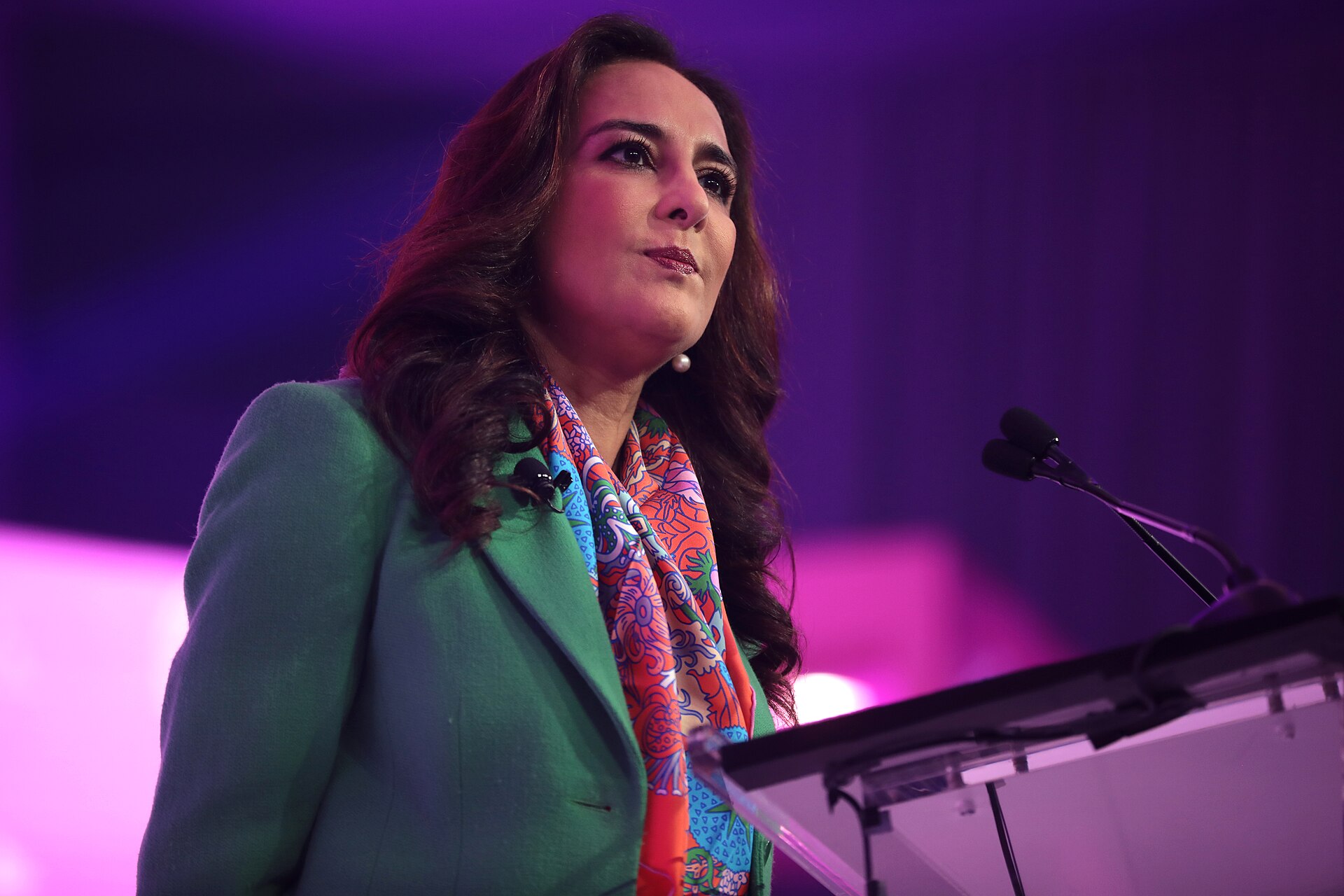
Header photograph: Harmeet Dhillon on June 11, 2021. Archival photograph by Gage Skidmore, via Wikimedia Commons, CC BY-SA 2.0. It does not depict her resignation announcement.