Published November 5, 2026 · Taken Social Editorial
WASHINGTON — Chris Van Hollen is emerging as a focal point in the debate over who should lead Senate Democrats after their midterm victory, with incoming Michigan Sen. Abdul El-Sayed publicly praising the Maryland senator as a potential majority leader.
The support does not amount to an announced leadership campaign. Van Hollen has not declared a challenge to Chuck Schumer in the reporting reviewed for this article. The distinction matters: a senator can attract endorsements and influence a caucus debate without formally becoming a candidate for the top job.
El-Sayed’s comments to CNN were reported by Just the News on Thursday. They add a prominent new voice to a discussion that began before Election Day and now concerns how Democrats should use the majority they have won.
Van Hollen told the Associated Press that Democrats need an open discussion about their next leader. Schumer, meanwhile, has expressed confidence that he will retain the role. The result is a live argument about direction, rather than evidence that a leadership change has already happened.
The agenda behind the personnel question
Van Hollen’s position goes beyond a question of personalities. Anadolu, citing Bloomberg’s reporting, described his call for an ambitious agenda addressing powerful corporate interests before members settle the leadership question. That links the debate over who leads with the debate over what a Democratic majority should try to accomplish.
A majority leader must manage competing responsibilities. Members expect opportunities to advance local priorities, national leaders want a coherent message and the chamber’s rules constrain what can pass. The job also involves deciding which fights to elevate and how to negotiate with a president from the opposing party.
Those pressures explain why electoral success does not automatically end an internal argument. Some Democrats can interpret the result as validation of the existing leadership’s recruitment and campaign strategy. Others can argue that a larger majority creates an opportunity for a different approach. Both interpretations can draw support from the same election without being identical.
Roll Call reported Schumer’s confidence in reelection and described Van Hollen as a possible 2028 presidential contender who has been exploring that prospect rather than committing to a Senate leadership race. Political interest in one role should not be treated as proof of a decision about the other.
Support is different from a winning coalition
One endorsement can help set the conversation, particularly when it comes from a newly elected senator. It does not establish how the rest of the caucus would vote. Public praise, a declared candidacy and sufficient internal support are separate stages in a leadership contest.
The AP’s pre-election reporting found broad support for Schumer while documenting questions about his future. That earlier position provides context, but it is not a substitute for counting the views of senators who will serve in the next Congress. The membership and political environment have changed with the election.
For voters, the practical issue is how the outcome affects priorities and performance. A leadership contest can produce commitments on oversight, legislative strategy and the treatment of members’ proposals. It can also consume attention that a party might otherwise devote to explaining what it will do with its new authority.
The next concrete development would be an announced challenge, a formal endorsement or the caucus’s leadership vote. Until then, the accurate conclusion is that Van Hollen has become an influential alternative in the discussion, while Schumer remains confident and the choice has not been publicly resolved. Democrats have won control; they are still determining how their next majority will be led.
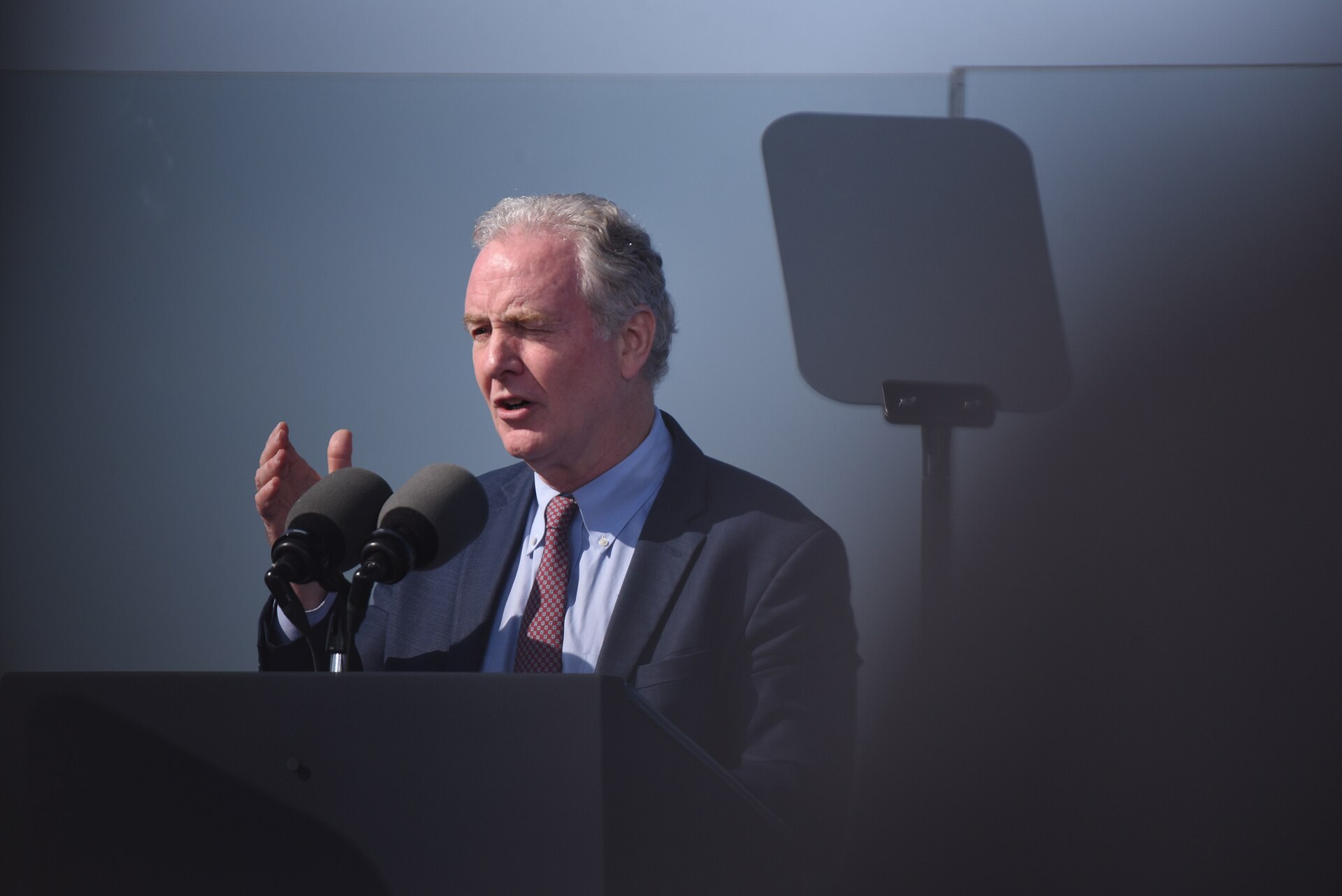
Header photograph: Chris Van Hollen at the Clean Ports grant announcement in Baltimore on October 29, 2024. Archival photograph. Maryland GovPics, via Wikimedia Commons. CC BY 2.0.