Published November 5, 2026 · Taken Social Editorial
American Muslim candidates have recorded at least 97 election victories across 21 states in the 2026 midterms, according to preliminary tracking released Thursday by the Council on American-Islamic Relations and CAIR Action.
The organizations’ November 5 announcement includes federal, state and local offices, with 38 victories in state legislative contests. They said another 15 candidates were leading in uncalled races and six were in contests too close to call. Those unresolved races are not included here as completed wins.
CAIR described the result as a midterm record in its own tracking, exceeding the 82 victories it reported in 2022. The increase from 82 to 97 is approximately 18 percent. That comparison concerns the organizations’ candidate tally, rather than an official government classification of officeholders by religion.
The preliminary figures add another dimension to an election that is reshaping representation across the country. They also require careful reading. A victory for a city council seat and a victory for Congress are both electoral wins, but they carry different responsibilities and should not be combined into an implied congressional seat total.
What the count measures
The report measures candidates and outcomes across several levels of government. It does not measure how all Muslim voters cast their ballots, establish a uniform political agenda among the winning candidates or prove that religious identity determined any particular result.
That distinction is important in coverage of representation. Candidates who share a faith can differ in party, policy, professional background and the communities they serve. Treating them as a single voting bloc would obscure the individual races and the local reasons voters chose them.
CAIR is a civil-rights advocacy organization, and CAIR Action is a separate political organization. Their account is an attributed preliminary dataset. Readers evaluating it should consider the definition of a candidate included in the tally, the handling of uncalled contests and whether later updates revise the total.
The broader representation story extends beyond one organization’s count. Rutgers’ Center for American Women and Politics separately tracks women’s election results using its own classifications and methods. Such datasets can illuminate different aspects of the same election, but their categories overlap and cannot simply be added together to create a new total.
Representation after Election Day
For communities, the importance of a winning candidate is ultimately tied to public service. Local officials make decisions about municipal budgets, infrastructure and services. State legislators write laws and help allocate state funding. Members of Congress operate within a different set of institutions. The meaning of increased representation depends partly on where those victories occurred.
Future reporting can test the preliminary count against completed race results and examine the records of individual officeholders. That approach is more informative than assuming that a demographic milestone guarantees a particular policy outcome. Elections create opportunities for influence; the work of governing determines how that influence is used.
The confirmed news from the announcement is the organizations’ reported total of 97 victories, with additional contests unresolved. The count is a significant reported milestone in Muslim political representation, and its final shape will become clearer as the remaining races are decided and the underlying candidate list is updated.
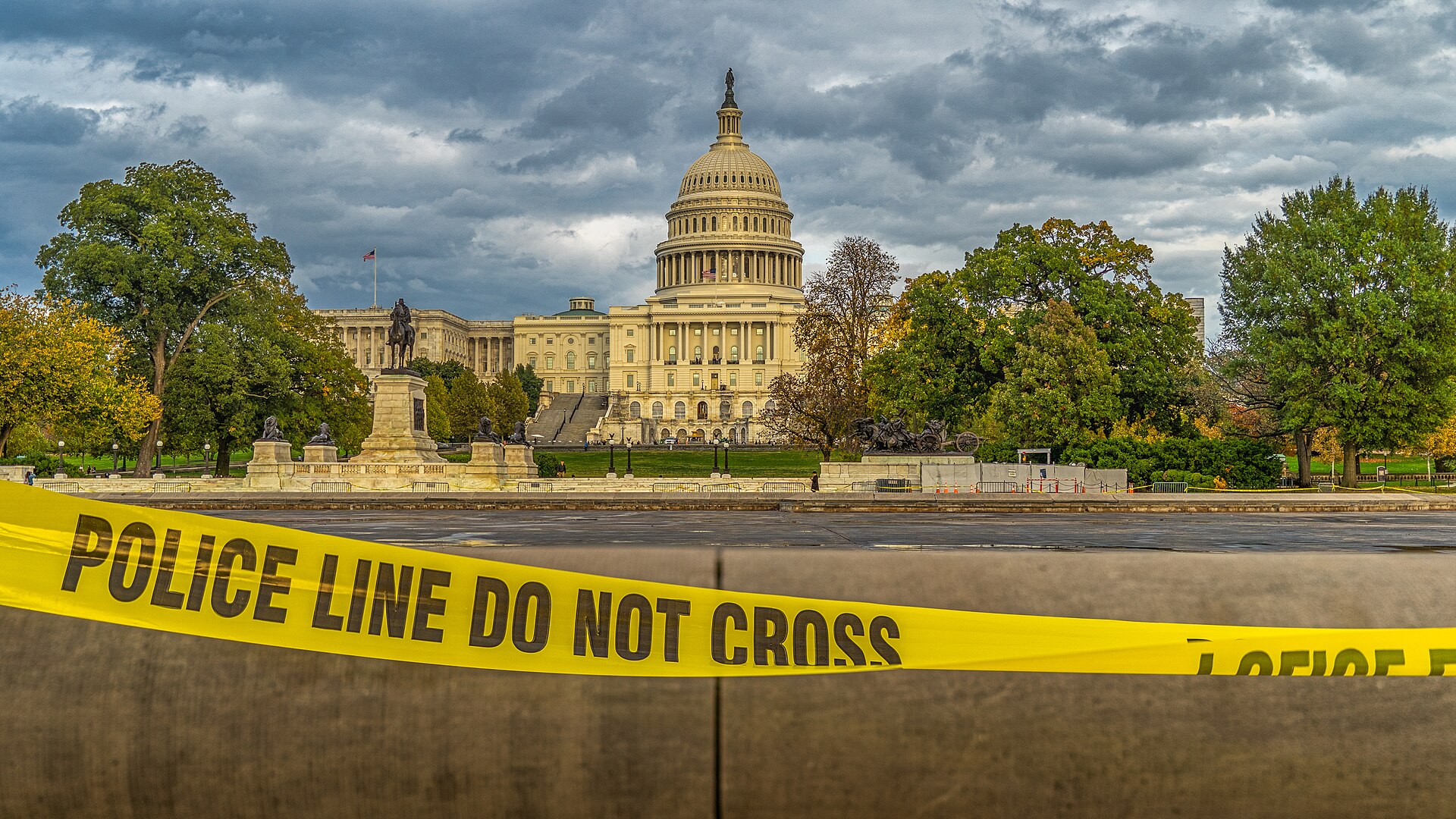
Header photograph: The U.S. Capitol in November 2019, used as an archival illustration of electoral representation. Pierre Blaché, via Wikimedia Commons. CC0.