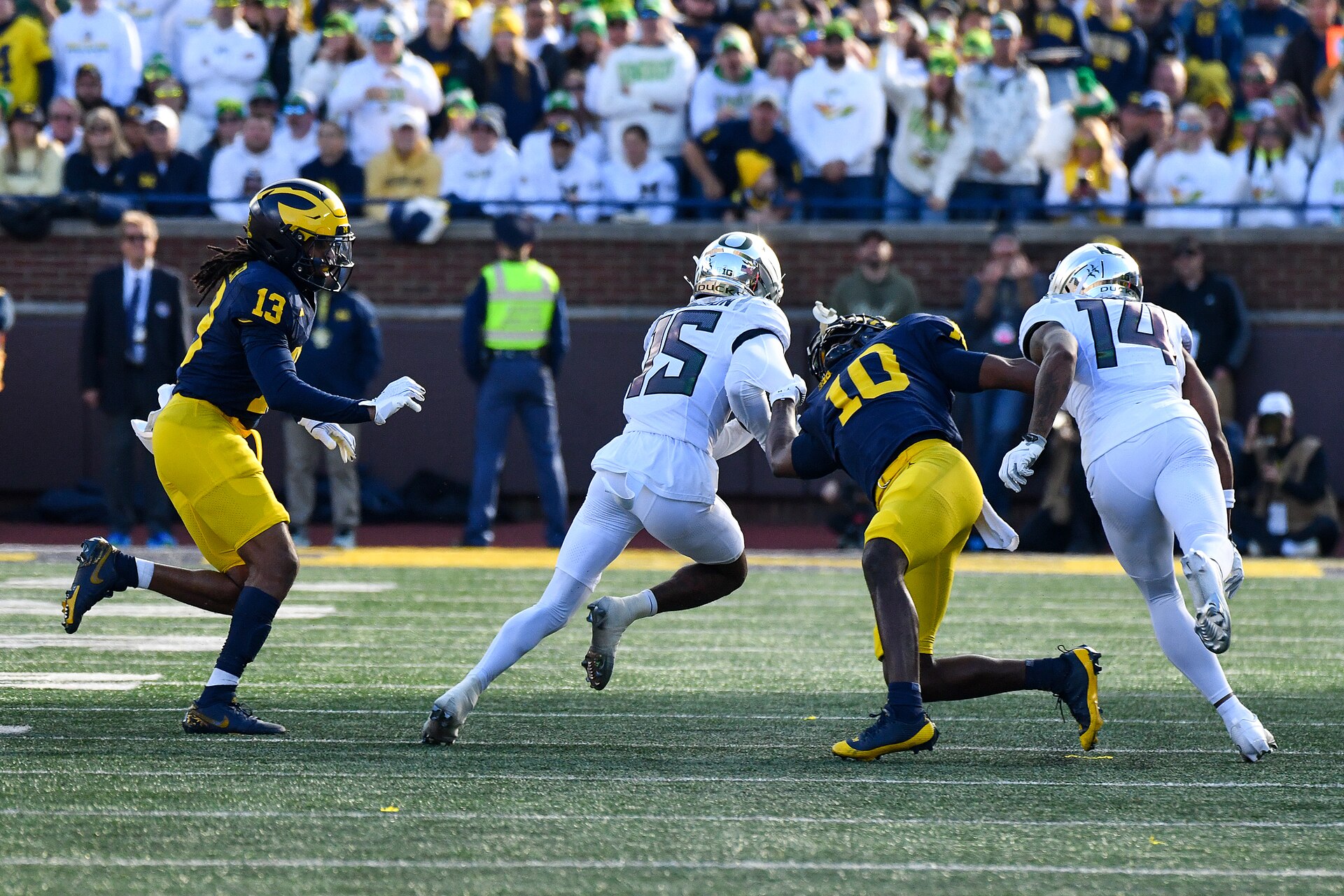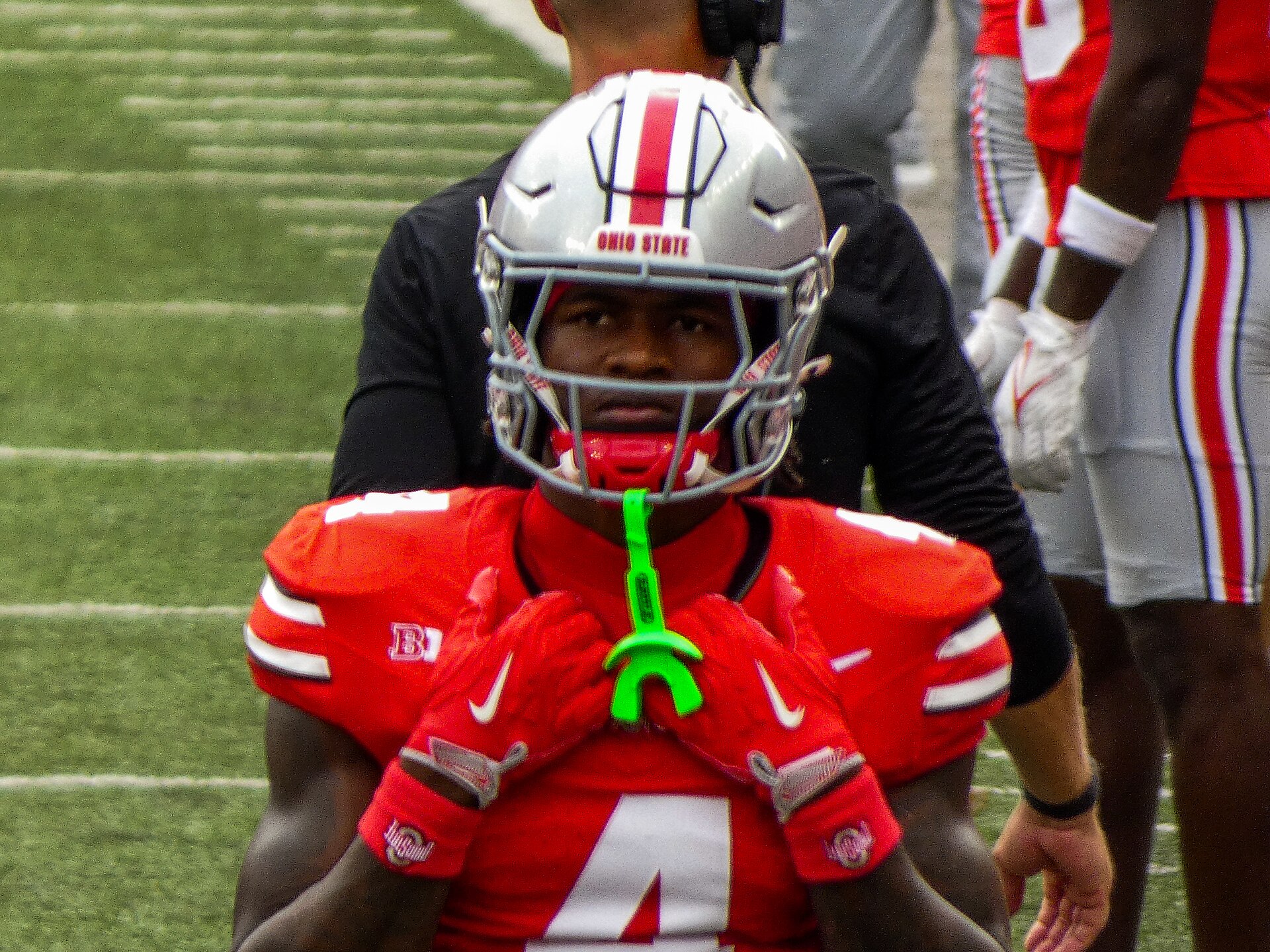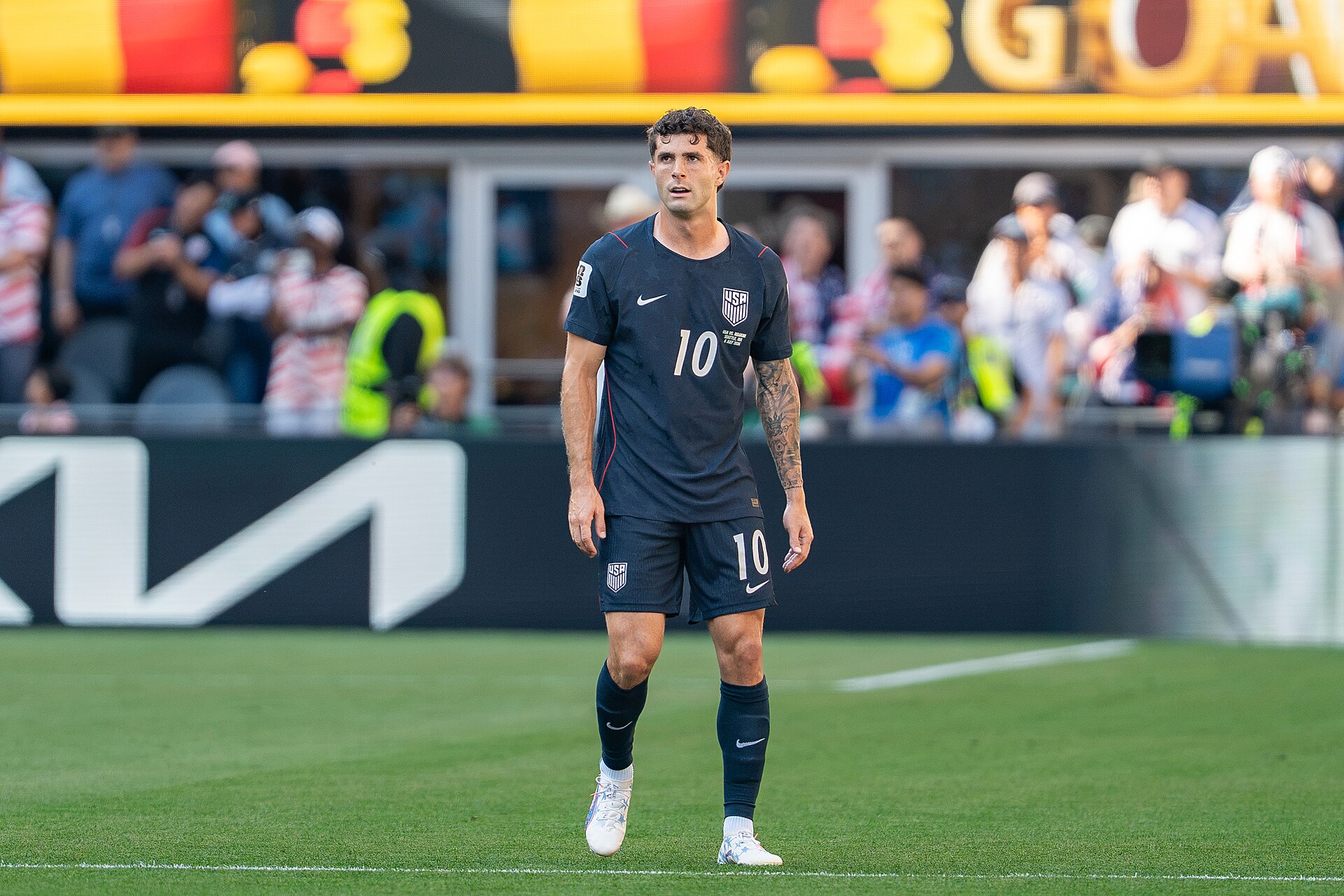
Christian Pulisic during the United States–Belgium match at the 2026 World Cup on July 6. Archive photograph; not the November 14 match against Haiti. Archive photo by Bryan Berlin (CC BY-SA 4.0).
The United States put its Nations League quarterfinal firmly under control on Saturday, beating Haiti 6–0 in Miami as Christian Pulisic scored twice and a narrow halftime lead became a second-half rout. Auston Trusty, Julian Hall, Weston McKennie and Folarin Balogun also scored in the first match of Mauricio Pochettino’s final international window as U.S. head coach.
The official U.S. Soccer match center records a result that gives the Americans a six-goal aggregate advantage before Tuesday’s return leg in Cincinnati. It was an emphatic start to the knockout tie, with the strongest attacking burst arriving after the interval. Haiti kept the deficit to one goal for the opening half, then conceded five more as the contest opened up.
For readers searching Haiti vs USA, the essential result is clear: the United States won 6–0 at Nu Stadium on November 14. The significance extends beyond the score. Pulisic and McKennie returned to international action, younger players contributed alongside them, and a team entering a coaching transition delivered a substantial competitive result rather than allowing the departure to become the only story.
From Trusty’s opener to a decisive second half
Trusty broke through in the tenth minute, with Sebastian Berhalter providing the assist. That early goal established the advantage, but the score remained 1–0 at halftime. The opening period therefore supplied an important qualification to the eventual margin: this was not a six-goal contest from the beginning. The United States still had to turn its position into something more secure.
Hall made it 2–0 in the 52nd minute from Antonee Robinson’s assist. Pulisic then scored a penalty in the 62nd and added another goal a minute later, assisted by Alex Freeman. McKennie scored in the 68th, and Balogun completed the scoring in the 82nd. Malik Tillman supplied the assists for the last two goals.
The concentration of goals around the hour changed the character of the tie. The three scores credited to Pulisic and McKennie between the 62nd and 68th minutes moved the match from a manageable U.S. lead to an overwhelming one. Haiti was no longer trying simply to find an equalizer; it was confronting an aggregate deficit that made every further concession more costly.
That progression is more informative than treating the final score as evidence of uninterrupted dominance in every phase. A team can control the result eventually while still needing time to create separation. The Americans’ achievement was to make the second half increasingly productive, with contributions arriving from established leaders, a young forward and a substitute rather than a single isolated source.
Pulisic and McKennie returned at a consequential moment
U.S. Soccer’s starting lineup notes identify Saturday as the first international appearance for Pulisic and McKennie since the 2026 World Cup. Their presence brought familiar senior figures into a group that had also been introducing younger players during the fall. Pulisic’s two goals and McKennie’s finish gave that return immediate competitive weight.
The distinction between presence and production matters. Experienced players can provide reassurance simply by returning to a lineup, but the most persuasive form of leadership remains performance. Scoring does not capture every contribution they made, yet it gives a concrete measure of their involvement in the period that decided the match.
Pulisic’s pair also had different scoring contexts: a penalty followed by an open-play goal. The first extended the lead from the spot; the second immediately deepened Haiti’s problem. That quick succession made the score change faster than the visitors could reasonably plan a recovery around one conceded goal.
McKennie’s later contribution reinforced the breadth of the attack. The goals did not all depend on Pulisic receiving and finishing the decisive ball. Tillman’s two assists, the fullbacks’ involvement in earlier goals and Trusty’s opener all appear in the scoring record. They describe a productive collective afternoon without requiring an unsupported claim that every combination was part of a specific rehearsed tactical move.
Julian Hall and Diego Kochen show the next cycle taking shape
Hall’s goal gave the result another dimension. At 18, he was the youngest player in the starting lineup and was making his fifth senior appearance. The federation’s pregame notes also stated that his appearance in an official competition, after passing the relevant three-match threshold, made him cap-tied to the United States. His contribution was therefore significant both within the match and within his international development.
Diego Kochen started in goal and finished with a clean sheet in his third U.S. appearance. Tyler Adams captained the side. That mix of a young goalkeeper and experienced leadership illustrates the practical work of a new World Cup cycle: introducing players while maintaining enough continuity to pursue results in an official competition.
Youth development can sound abstract until a competitive lineup makes it visible. A promising player needs opportunities that involve more than a late appearance after a match has been settled. Starting a quarterfinal asks for preparation, concentration and responsibility from the opening whistle. Hall and Kochen were placed inside that responsibility, with senior teammates around them.
The score offers encouragement, but the developmental test continues beyond one match. A forward who scores still needs to contribute when space is tighter. A goalkeeper who keeps a clean sheet still needs experience across different forms of pressure. Saturday expanded their competitive records; it did not remove the need for the next demanding assignment.
The federation calculated the starting lineup’s average age at 25 years and 161 days, with an average of 41 senior caps. That is a useful corrective to describing the side as either an established group simply carrying on or a complete youth rebuild. The selection combined players at very different stages of their international careers, giving new contributors responsibility within a recognizable senior framework.
Pochettino’s departure gives the win a larger setting
On Friday, U.S. Soccer confirmed that Pochettino will leave after the two Haiti matches to become Manchester United’s head coach. He had joined the federation in September 2024. The timing places a major coaching change at the beginning of the next World Cup cycle, even as the current squad is still pursuing a place in the Nations League finals.
The federation said its formal search for a successor would begin after the international window. It also announced that under-23 coach Steve Cherundolo would oversee the December camp, which is scheduled to include a match against Jamaica. Those are distinct arrangements: the immediate post-window assignment does not itself identify the permanent senior-team appointment.
A departing manager can leave a team with two simultaneous obligations. Players need to complete the work already in front of them, while the federation needs to protect continuity through the next appointment. A convincing first-leg victory helps with the first task. It gives the broader transition a less anxious competitive setting without deciding what the next coach should change or preserve.
The institutional challenge is to retain useful habits without treating continuity as a reason to avoid evaluation. Recruitment, communication with clubs, the integration of younger players and the standards of training all extend beyond a single match result. Saturday provides evidence about the team’s ability to perform amid change; the appointment process will determine how that performance is developed over a longer period.
What the 6–0 score means for the return leg
The Concacaf quarterfinal schedule sends the tie to TQL Stadium in Cincinnati on Tuesday, November 17. The second leg is scheduled for 7 p.m. Eastern. The two-match format means Saturday’s result is an aggregate advantage, rather than a separate qualification event that automatically cancels the remaining fixture.
The size of that advantage nevertheless changes the practical decisions available to the United States. The coaching staff can consider workload and personnel with a much larger cushion than a one-goal lead would provide. It must still balance experimentation against the value of maintaining rhythm, organization and respect for a competitive match.
Haiti’s assignment is far more difficult. Reversing a six-goal deficit requires attacking ambition, but committing more players forward can create additional defensive exposure. That is the strategic burden of a heavy first-leg defeat: the need to take risks grows at the same time that the consequences of conceding again become more damaging.
The venue also deserves precision. Although Haiti was the designated home team on Saturday, the game took place in Miami, not Port-au-Prince. U.S. Soccer’s matchday stadium guide identifies Nu Stadium as the site. The return shifts to Cincinnati. Describing the first leg accurately avoids confusing the administrative home designation with the country in which the match was played.
The eventual quarterfinal winners advance to the 2027 Nations League Finals at SoFi Stadium in Inglewood, California, scheduled for March 25–28. That gives the tie a clear destination. The immediate objective is a place in a four-team competition, while the longer project involves building a team capable of sustaining success through a new international cycle.
Conclusion: a forceful result with continuity to protect
The United States earned the right to treat Saturday as a statement of attacking strength. It scored through several players, converted a narrow lead into a commanding one and finished without conceding. Pulisic’s return supplied the most recognizable headline, but Hall, Trusty, McKennie, Balogun and the players providing the final passes made the result broader than one star’s performance.
The strongest conclusion is grounded in the tie itself. A 6–0 lead places the Americans in an exceptionally strong position before Cincinnati and gives Pochettino a chance to complete his tenure with progression. The next responsibility is to turn that advantage into a finished job, then carry the productive blend of experience and emerging talent into the coaching era that follows.