Published November 6, 2026 · Taken Social Editorial
Ryan Clark is speaking in more personal terms about life after ESPN, describing the loss of his Monday football routine while explaining a dispute that once made him consider leaving the network himself. The new comments come months after his July departure, rather than announcing a fresh dismissal this week.
In a conversation with Matt Barnes on All The Smoke, the former NFL safety discussed both his continuing work and the part of his old job he still misses. He also gave his account of pressure to apologize after comments about former LSU receiver Kyren Lacy.
The interview has renewed interest in a broadcasting career that began as Clark finished thirteen seasons in the NFL. It also places two separate questions beside one another: how an analyst understands an editorial disagreement, and how a person adjusts after losing work that had become part of his identity.
The new interview describes a loss of routine
TheGrio's November 6 account focuses on Clark's attachment to being in stadiums on Mondays. His work had included pregame coverage, halftime and the postgame discussion, keeping him in regular contact with players and coaches.
Clark said he valued what he was building outside ESPN but still missed that role. He distinguished the disappointment from resentment toward former colleagues, describing support from Jason Kelce and Marcus Spears.
That is an important distinction in the interview. Progress in a new venture does not require someone to say the previous job no longer mattered. The satisfaction of building something and the disappointment of losing something can be present at the same time.
For a former player, the stadium setting also connects two careers. Moving into television changes the work, but a regular game-day assignment preserves parts of the environment: preparation, travel, relationships and the weekly rhythm around competition.
Losing the assignment therefore changes more than the platform on which an analyst speaks. It changes the setting in which he works and the ordinary habits that organize the week. Clark's comments describe that adjustment in practical terms rather than treating employment as only a title.
His account of an apology dispute needs its own chronology
In a November 5 report, Awful Announcing describes Clark's account of being told he needed to apologize for remarks about Lacy before returning to work. Clark said he initially felt he had not misstated a fact and considered quitting, but reconsidered after speaking with his wife, Yonka.
Pro Football Network's report, republished by Yahoo Sports, places the eventual First Take apology on October 9, 2025. It records Clark acknowledging that he had not presented the complete story.
The distinction between the original segment, the apology and the current recollection is essential. The interview is Clark's retrospective account of an internal disagreement. It does not independently establish every conversation inside ESPN or explain every reason for the later employment decision.
The underlying Lacy matter also requires care. Clark's personal connection to the player was part of his reason for speaking, but a commentator's belief about a case is not a substitute for investigative records. Repeating the interview does not require treating the initial broadcast as a final legal judgment.
There is a broader editorial issue here. An analyst can sincerely believe a point and still be required to present material context. An apology can address an incomplete account without meaning that every sentence in the original discussion was false. Those are different standards, and the distinction helps make sense of disagreements about corrections.
The current reporting supports a limited conclusion: Clark says the dispute nearly prompted him to resign. It does not support presenting that episode as a proven, single cause of his eventual layoff.
The ESPN departure happened in July
The Associated Press' July 21 report on ESPN layoffs says Clark learned of his layoff while appearing on NFL Live the previous day. The report placed the cuts within a broader reorganization following the acquisition of NFL Network and other assets.
Clark later disputed a description suggesting that leaving the broadcast had simply been a mutual choice. A July account republished by Yahoo Sports records his response that he asked whether he should be finished and was told yes.
That dispute concerns how the final appearance ended. It should be kept separate from the confirmed timing of the departure and from later reflections on what the work meant to him. Combining the events into a headline suggesting he has just been removed would give readers the wrong chronology.
It is also possible to report disagreement without inventing a hidden explanation. The public record contains Clark's recollection and contemporaneous reports about the layoff. It does not make every assertion about the network's motives verifiable.
For readers encountering only a newly circulating clip, the dates provide a simple guide: the apology was in 2025, the departure in July 2026 and the new Barnes interview in November. The renewed discussion is current; the job change is several months old.
The broadcasting career began before his final snap
ESPN's February 18, 2015 announcement records Clark retiring from football and joining the network as an analyst. He had already made guest appearances while still an active player, including work around the Super Bowl.
His playing career ran from 2002 through 2014 and included the New York Giants, Pittsburgh Steelers and two periods in Washington. He won Super Bowl XLIII with Pittsburgh and was selected for the Pro Bowl in 2011.
The same announcement records 177 NFL games and sixteen interceptions. It described the new television assignment as spanning NFL Live, SportsCenter and radio, establishing from the outset that he would work across several programs.
ESPN’s 2025 studio lineup announcement placed him alongside host Scott Van Pelt, Jason Kelce and Marcus Spears on Monday Night Countdown, with the program originating from the game site most weeks. That official description supplies context for the routine he now says he misses. It was a recurring assignment built around a particular team and setting, as well as an opportunity to discuss that night’s matchup.
That background helps explain the kind of authority a former player brings to analysis. Experience can illuminate preparation, coverage decisions and the physical demands of a position. Translating that knowledge for a broad audience is a separate skill, developed through the work of broadcasting.
Recognition for that second career arrived in 2023. LSU's official account records Clark winning the Sports Emmy for Outstanding Personality/Studio Analyst, an award recognizing his work after his playing days.
The university also notes his mass communications degree, completed in December 2004, and his earlier place on LSU's 2001 SEC championship team. Those details connect the two strands of his professional life without suggesting that success on the field automatically guarantees success in media.
The Pivot offers a different kind of work
The official Pivot Podcast listing identifies Clark, Fred Taylor and Channing Crowder as its hosts. Its format centers on extended conversations with athletes and other public figures, moving between sport and personal experience.
A podcast offers a different set of possibilities from a live pregame panel. It can allow a subject to develop over a longer period, with room for background, disagreement or reflection that would be difficult within a tightly timed broadcast segment.
That freedom also changes the responsibilities. Hosts choose the direction of a conversation and decide what to challenge or clarify. A familiar atmosphere can encourage candor, but it does not remove the need to distinguish recollection, opinion and established fact.
For Clark, the continuing project means his public voice has not disappeared with the ESPN assignment. The audience can still hear his analysis and interviews. What has changed is the distribution of that work and the relationship between his own platform and a network schedule.
That is why a successful independent venture and a sense of loss are not mutually exclusive. They involve different kinds of work, different colleagues and different experiences. The interview's emotional force comes partly from acknowledging that a replacement opportunity need not feel like a replacement for everything.
A changing network provides context, without settling motives
ESPN's July 30 programming announcement brought NFL Network to Unlimited subscribers in the ESPN app. It described an expanded package of games and more than 1,500 hours of annual studio programming.
Those changes show the scale of the company's football integration during the same period. They provide business context for a reorganization, but they cannot independently establish why any particular person was selected for a cut.
The most useful reading of Clark's new interview keeps those levels apart. His account explains how he experienced a dispute and a departure. Company announcements explain a broader programming direction. Neither should be stretched into proof of claims it does not address.
The new development is a more candid account of what came before and what he still misses. Clark continues to build a media career outside ESPN while describing the value of the one he left. That is a fuller story than either a fresh firing headline or an effortless reinvention narrative would capture.
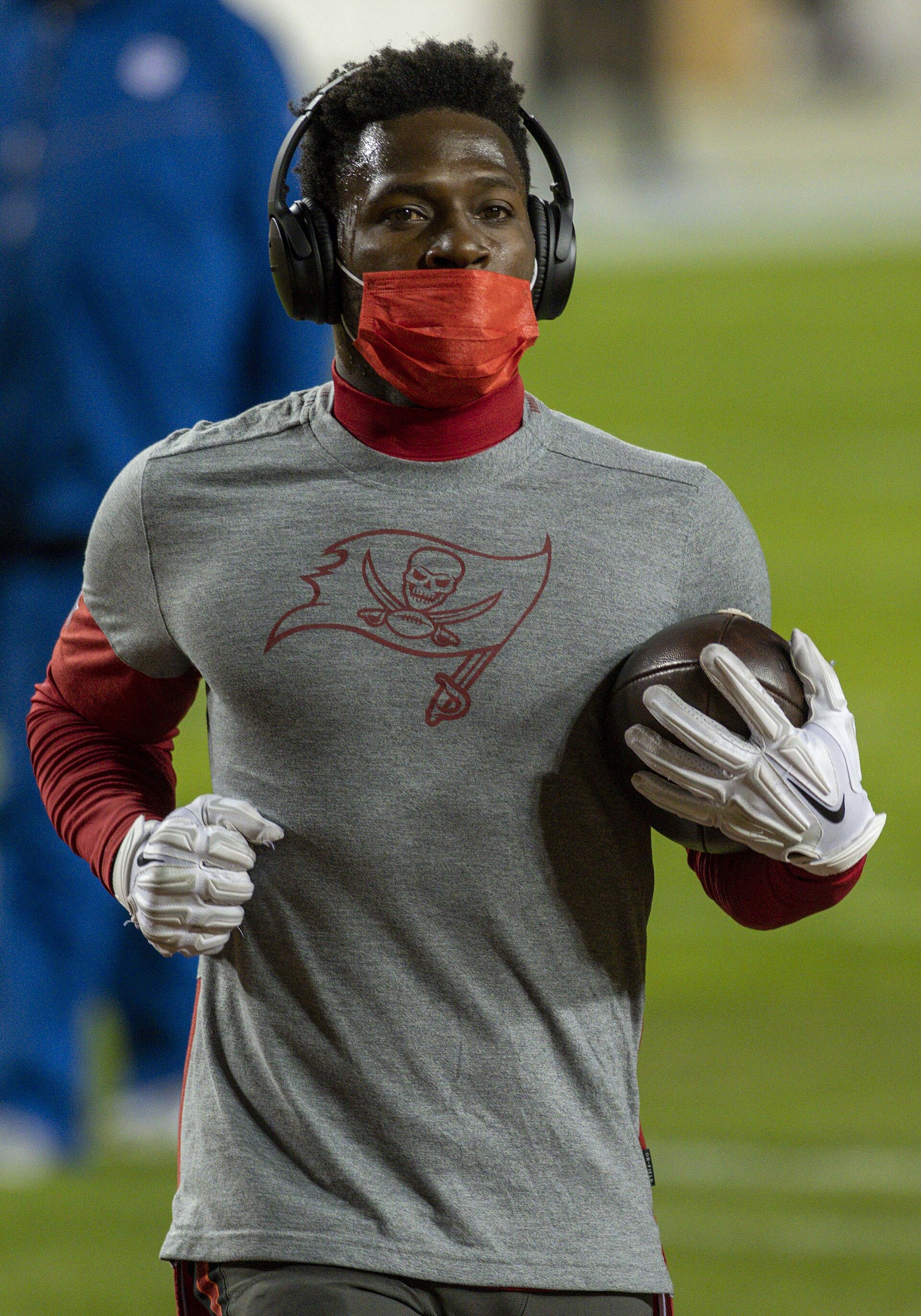
Ryan Clark waves to spectators during a Washington practice at Joint Base Andrews on August 22, 2014. Archival photograph by U.S. Air Force Staff Sgt. Robert Cloys; public domain. This photograph predates his ESPN broadcasting career. Source: Wikimedia Commons.