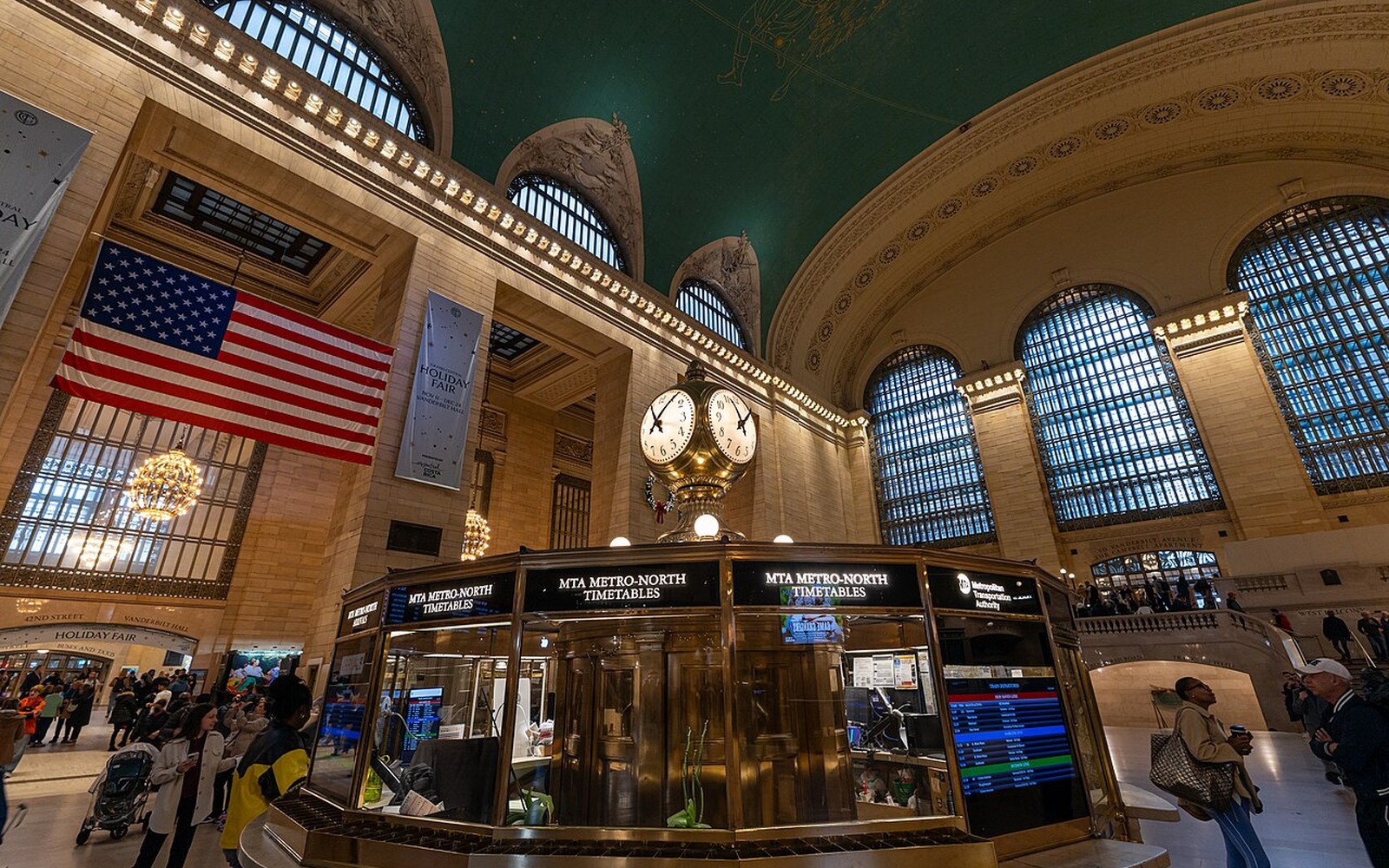
AI-generated editorial illustration of international delegates; not a photograph of COP31 or its venue.
The Antalya conference runs November 9–20. The clearest way to follow it is to ask who made each commitment, how it will work and what happens next.
The annual climate summit produces a familiar flood of announcements: national pledges, financing promises, company initiatives and negotiating texts. They can arrive under the same COP31 headline while carrying very different consequences. Understanding those differences is a better starting point than counting how many promises appear.
The United Nations climate secretariat lists COP31 for November 9–20, 2026, in Antalya, Türkiye. As of November 1, the conference has not opened. Its final decisions and any eventual agreements remain ahead; previews should be read as previews.
A negotiated decision and a side-event pledge are different
COP refers to the Conference of the Parties to the UN climate convention. The summit also hosts meetings connected to other climate agreements. Official session documents and decisions provide the record of negotiations. Speeches and announcements around the venue can be important, but they do not automatically become decisions adopted by participating governments.
For any headline, start with the actor: a negotiating body, a national government, a financial institution or a company. Then identify the action. A target, a funding commitment and a completed investment describe different stages of delivery. A serious assessment needs that basic information before judging the size of the announcement.
National plans explain the longer timetable
The Paris Agreement framework uses national climate plans known as nationally determined contributions, or NDCs. Countries describe actions to reduce emissions and adapt to climate impacts. The agreement works through a five-year cycle intended to strengthen ambition over time.
That helps explain why a summit is both a negotiating event and a checkpoint on work happening elsewhere. A plan published at a conference still needs policies, institutions and financing to carry it out. For readers, the useful follow-up is specific: which measures are new, who is responsible and what evidence will show progress?
Finance and resilience will have a visible platform
The UN Environment Programme's COP31 programme describes events on climate investment, cities, buildings and cooling, among other themes. Its announced activities include Finance and Trade Day on November 13 and a pavilion focused on resilient cities, buildings and cooling.
Those subjects reach beyond conference diplomacy. They concern how infrastructure is financed and how buildings and communities handle heat and other climate pressures. A claim about financial support becomes more informative when it identifies the provider, recipient, funding instrument and expected delivery date. A large headline figure alone may not explain how much money is newly committed or how it will reach a project.
What to watch when the conference opens
Follow draft texts through to their adopted versions. Note whether a commitment includes a timeline and a way to report progress. Look for distinctions between money announced, money committed and money actually disbursed. Treat attendance lists and expected announcements as provisional until organizers or the organizations involved confirm them.
For a U.S. audience, global negotiations also deserve close attention to the specific role of U.S. officials, businesses, states and other participants, rather than assuming every announcement represents federal policy. The same discipline applies to any country.
The strongest COP31 coverage will connect the conference's language to decisions that can be checked later. Taken Social's News section will approach those headlines by asking what changed and how readers will know whether it was delivered.
Reporting and source information checked November 1, 2026.