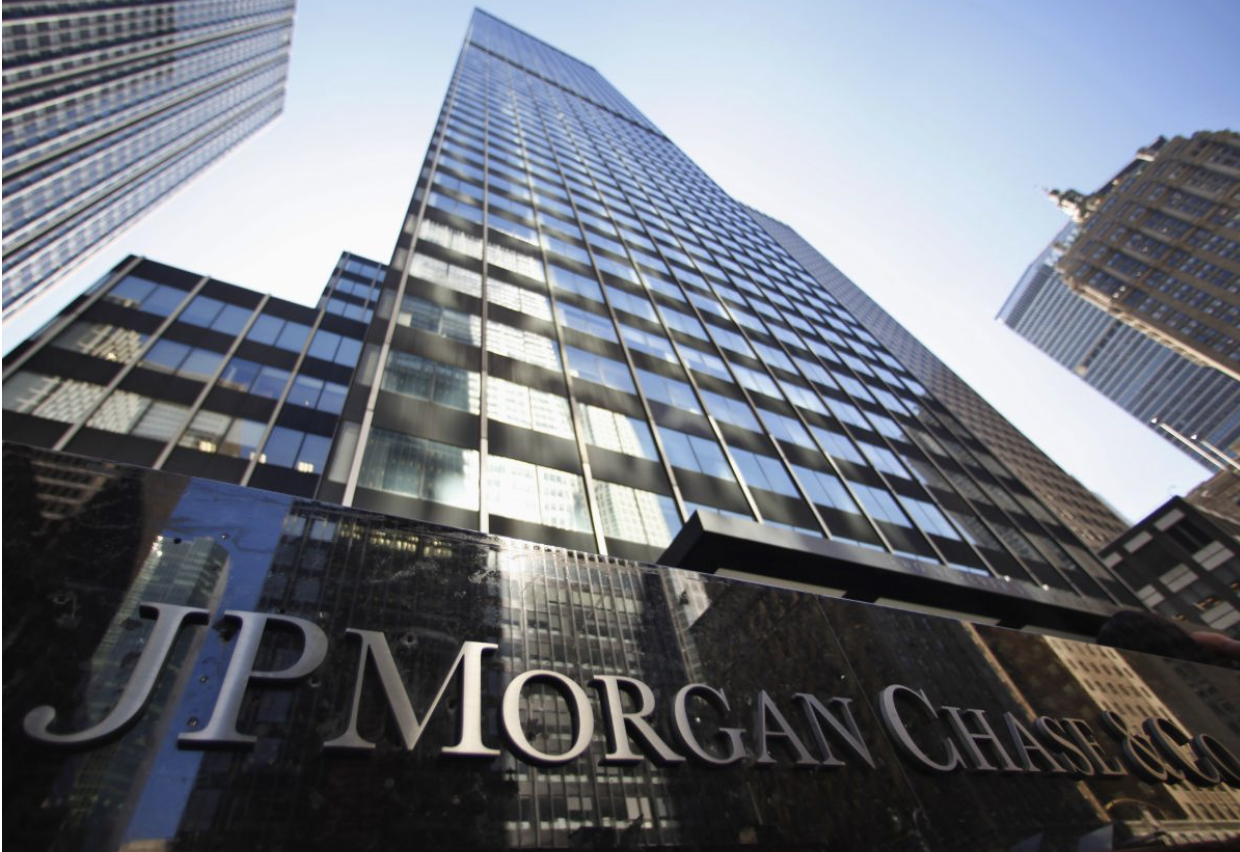

AI-generated editorial illustration; depicts a conceptual scene rather than a photographed news event.
The October 28 decision kept the policy range unchanged, while two dissenters preferred a quarter-point increase.
A steady interest-rate decision can contain a lively disagreement. On October 28, the Federal Reserve kept its target range for the federal funds rate at 3.75%–4%, but the vote was not unanimous. The split makes the details of the announcement more informative than the word “hold” alone.
The official FOMC statement records a 10–2 vote. Lisa D. Cook and Beth M. Hammack preferred to raise the range by a quarter of a percentage point. The disagreement concerned whether to tighten policy further, rather than whether to cut at this meeting.
A hold with inflation still in view
The committee described economic activity as expanding strongly, domestic spending as resilient and capital investment as robust. It also said inflation remained elevated. Those assessments explain the tension within the statement: the economy continued to expand, while the return to the Fed's inflation objective remained unfinished.
The statement did not announce a timetable for a rate cut. It said additional information would help determine the appropriate policy stance. Interpreting that language as a guaranteed move at the next meeting would go beyond what policymakers actually committed to.
For businesses planning next year's spending, the distinction is practical. A budget built around a confirmed financing offer is different from one that needs an assumed future policy change to work. The October announcement provides a current policy setting; it does not supply a loan quote or a forecast for every borrowing cost.
The policy rate is one part of the price of credit
The Fed's monetary-policy explanation describes the federal funds rate as an overnight borrowing rate for banks. Changes in policy influence broader financial conditions and, through them, the spending decisions of households and companies. The transmission takes place through markets and lenders rather than through a single rate applied to every customer.
That is why a Fed hold should not be read as a promise that a mortgage quote, savings yield or business credit offer will remain unchanged. Different products have different terms and pricing mechanisms. To understand an actual offer, look at its stated rate, fees, term and whether the rate can reset.
For a household or company with a decision already in progress, a useful comparison is the complete cost under the available offers. Waiting for a headline to improve is a separate choice, with its own uncertainty. This article explains the policy news; it does not recommend a particular borrowing or investment decision.
The next checkpoint is in December
The Fed's published meeting calendar schedules the next regular meeting for December 8–9, with economic projections associated with that gathering. Subsequent inflation, employment and spending information will arrive before then. The calendar establishes when officials are scheduled to meet, not what they will decide.
When reading the next round of commentary, separate the committee's actual announcement from a forecaster's expectation and a market's pricing. All three can be useful, but they answer different questions. October's confirmed result is an unchanged range and a documented split over whether another increase was warranted.
Read more economic reporting in Taken Social's Business section.
Reporting and source information checked November 1, 2026.